Since “He-Who-Must-Not-Be Named” Knelt on the neck Of “Say His Name, George Floyd” You’ve held our nation’s hope. Now a new “He-Who-Must-Not-Be-Named” Kneels on all our necks. Nameless until our nation’s Nuremberg, Because acclaim of his name is his aim, As sure as Three shots to the face Of “Say Her Name, Renee Good” Practically proved that he “Could stand in the middle of Fifth Avenue…”
Those shots shattered Froze my response Until now when heat rises distant For your democracy’s-death-defying 47-below-with-wind-chill march And deadline urgency Burning since my Minnesota Daily years Pushes me to press play by your 2 p.m. On these memories of your hundreds of beloveds.
Classmates, street-prophet poets Like Malik Del Mar, Sandwich builders, mad carpenters, Dylan wannabes, the King of Wings, and Every striving Somali cabbie Speaking crystalline American English cleaner Than “He-Who-Must-Not-Be-Named.”
And professors who taught jazz, Wu Daozi, Catullus, and Huey Newton, Who administered The BITCH 100, Summa cum lauded honesty In our chapters and verses, Ran for mayor of Minneapolis As a Communist.
And women who received my love poems (Or did not for my fears), Strong feminists without effeminizing, Who left me a far better man Than they found — Through firelight wonderings, Mental wanderings over 4 a.m. cigarettes and coffee, Closing ranks against Cold closed hearts.
Hundreds of beloveds, My heart bleeds, but beats warm for you today.
You’ve probably heard “6-7” and wondered what it meant. Now that “6-7” has hit mainstream media, its meaning may not even matter.
After all, Dictonary.com issuing a press release about “6-7” as the word of the year for 2025 means it’s just a matter of time before the kids who made “6-7” famous stop saying it. Still, the meaning of “6-7” is not clear, so I went straight to the source.
As a contracted enrichment teacher with Grasshopper Kids, I lead writing workshops for fourth-and-fifth-graders at San Francisco’s Lakeshore Alternative Elementary School. One of my prompts this week was to write about the meaning of “6-7.”
After cheers of enthusiasm for the assignment and students sharing the trademark chorus and hand choreography of “6-7” they got down to work. Here are some of the results.
This classroom experience exemplifies the Inkflow Communications approach of embedding as a journalist with each client. Working this way with the Lakeshore students keeps me young.
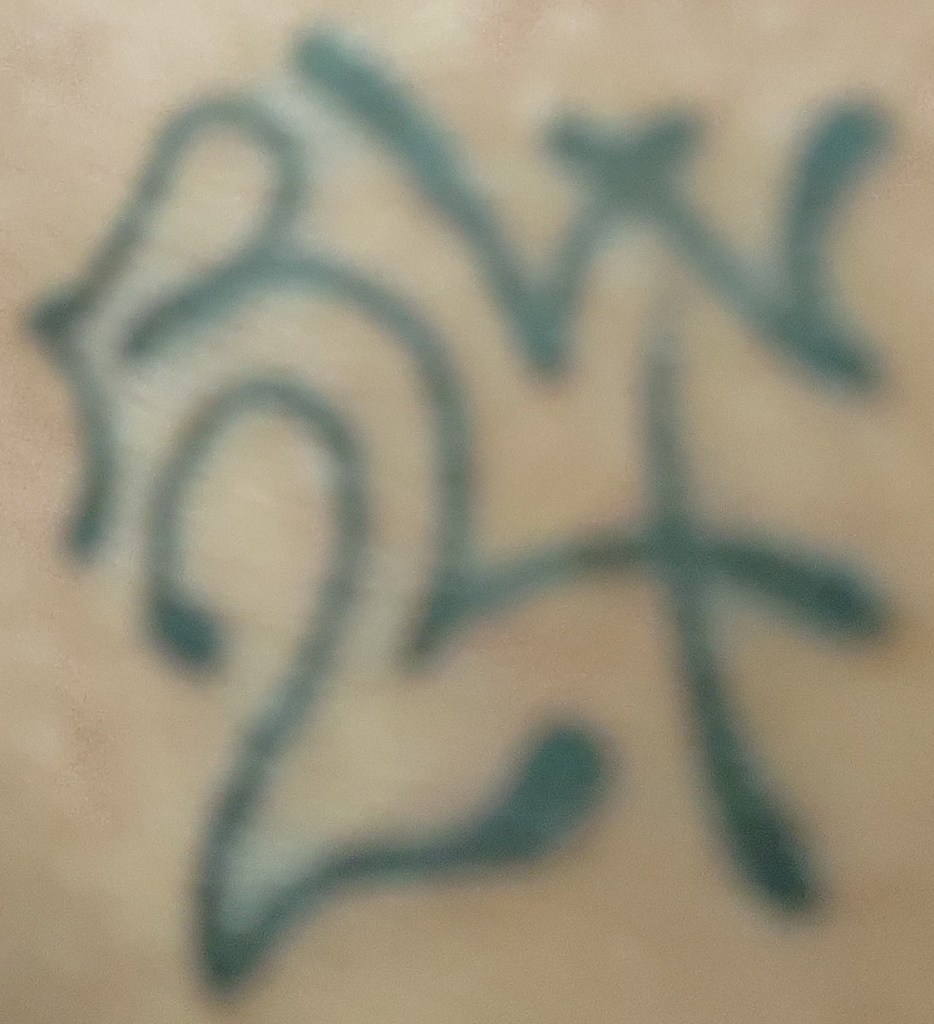
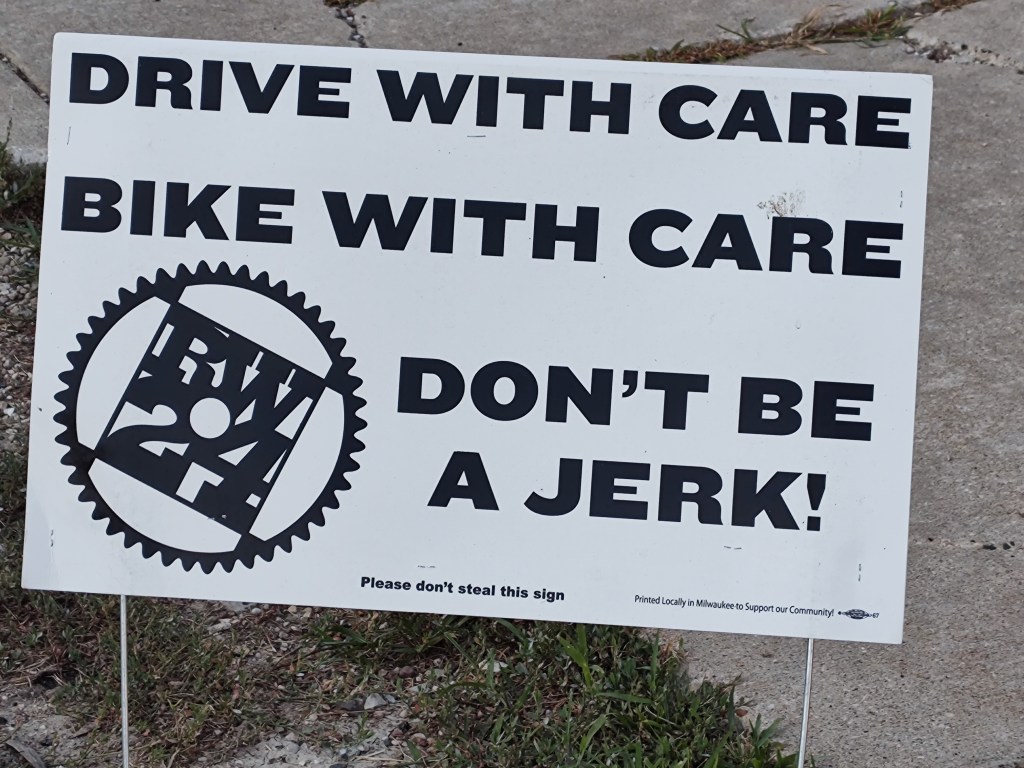
It took Molly a couple years to convince me to ride in the Riverwest 24 Hour Bike Race. Sitting on her balcony in the twilight over our glasses of red wine, Molly always made the event sound appealing for its sense of community and the unique twist of a tattoo that many riders get to commemorate their participation — a grittier, gutsier step beyond “been there, done that, got the t-shirt.”
The more Molly talked about the ride through the Riverwest neighborhood of Milwaukee, the more it sounded like a dare, the mix of athletic challenge and encouragement we’d shared since high school. But now we were 60, and the prospect of bicycling for 24 hours and getting a tattoo seemed absurd.
“You don’t necessarily ride the whole 24 hours,” Molly explained. “You get off the bike for checkpoints, where you can drink a beer or have a community experience in one of the shops or in people’s homes. Some people sleep or trade off shifts with their teammates. It’s not competitive.
“And, you don’t have to get the tattoo” she said with a smile that looked more 16 than 60. “But you know you want to.”
OK. Sold. Which is how we got here.
At the start just in front of Molly, backed by (L. to R.) Maureen, Carol, Brenda, and Colleen, members of Team Millio Zillio.
In the seconds before the 7 p.m. start of the Riverwest 24 on July 26, 2024, roughly 1,800 registered riders are a mass of nervous energy, ringing bells to signal they’re ready to roll.
At the start, cyclists surge forward. Then they stop. The crowd condenses. Sardined in the street with at least 1,800 riders of various ages, abilities, and levels of patience and competitiveness, it suddenly seemed a lot could go wrong. Less than a week after Milwaukee hosted the Republican National Convention, hair trigger tempers remained as hot as the air temperature.
Plus, the Riverwest 24 coincided with the Milwaukee Air & Water Show, featuring the U.S. Air Force Thunderbirds, and the Harley-Davidson Homecoming, bringing thousands of riders new to Milwaukee’s streets, who were bound to be frustrated by bicycle traffic. The threat and promise of sonic booms and backfires jangled nerves.
With scant police presence assigned to our ride, our community would police itself. Fortunately, Riverwest 24 organizers guided us with simple reminders.
Gradually, riders spread throughout the 4.6 mile course. Speedsters sped. We in the “Elder” category that Molly signed us up for did not.
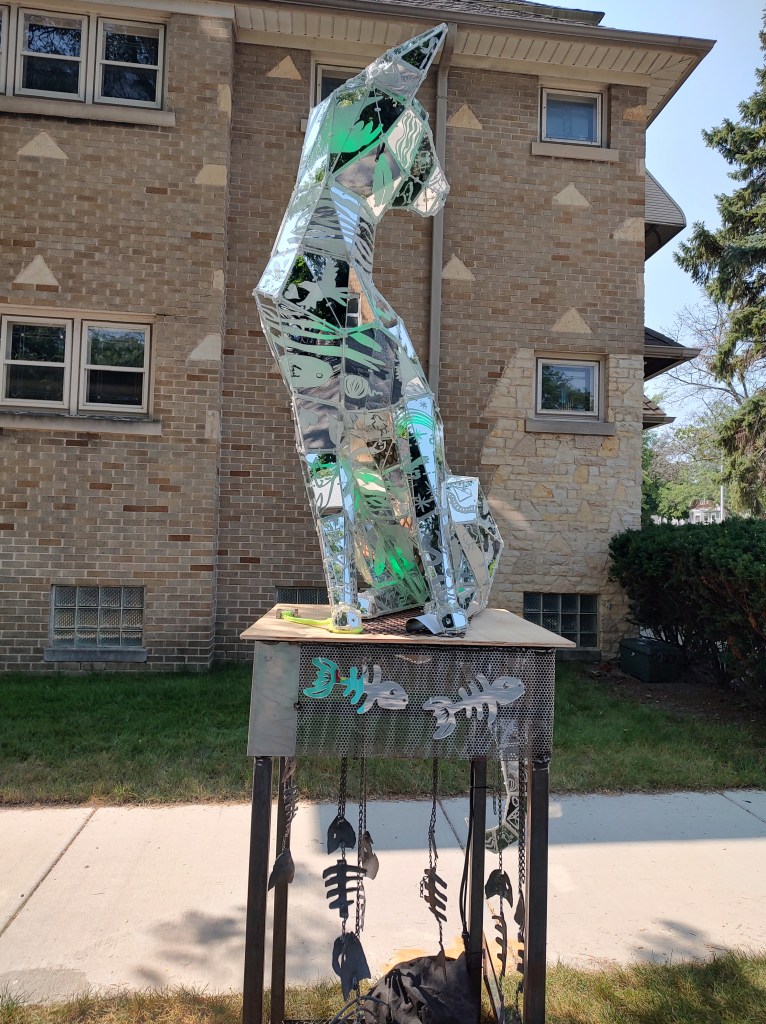
Instead, we enjoyed high-fiving the little kids lining the residential streets in front of their parents’ homes or shade tents standing curbside. We basked in their cheers and encouragement, laughed at humorous handmade signs, and admired artwork scattered throughout the route.
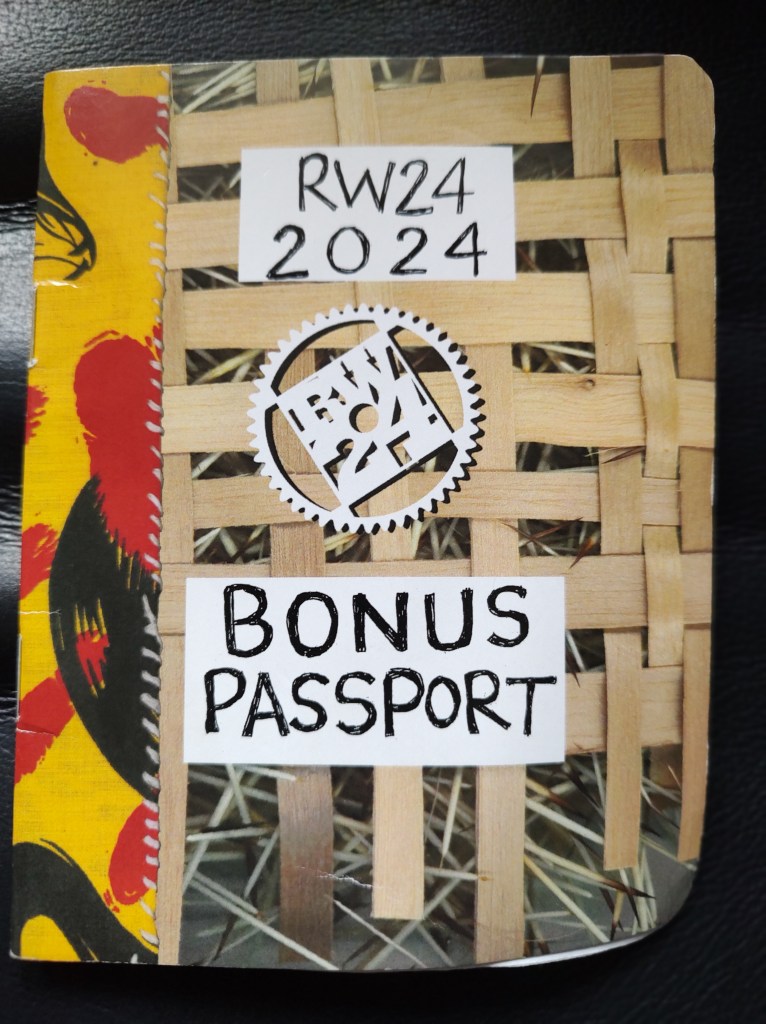
Occasionally, we stopped at “bonus checkpoints” to get our “passports” stamped, earning points in addition to those for each completed course lap.
The bonus checkpoints brought us into homes, businesses and parks, where we participated in cleverly named non-cycling activities. For example, “Don’t Pull a Hammy” provided a stretching session inside the cavernous Dropout Fight Club boxing gym, and “Let the Rhythm Move You” at Wu-Tang Park offered a group belly dancing lesson.
From about 9-11 p.m., we took a break from our bikes to watch a street circus from Molly’s balcony.
Then, just Carol and I ventured back out for more laps and checkpoints. The laps led us past pulse-pounding street parties, live bands, DJs, drunken revelry, and all the rest of the eclectic energy that marks the Riverwest community.
My favorite checkpoint was “A Night at the Museum” in the Jazz Gallery Center for the Arts, housed at the old Jazz Gallery performance space, where, as a high school senior, I watched Art Pepper play alto just weeks before he died. While Carol perused the Riverwest 24 memorabilia display, I got lost in the jazz artifacts and a recording of the late great Milwaukee jazz radio DJ Ron Cuzner and was transported back to 1982.
Other checkpoints reflected the quirkiness of the Riverwest community. “What Are You Buying? What Are You selling?” featured a masked and hooded man inside a candle-lit tent on the Beerline bicycle trail, who mutely helped us discern how to complete a transaction for a vial of “potion” that turned out to be an ounce of kombucha. In someone’s basement we threw darts at balloons for a chance to win a container of Cup Noodles ramen. By 2:30 a.m., I needed off the streets with about 23 miles behind me.
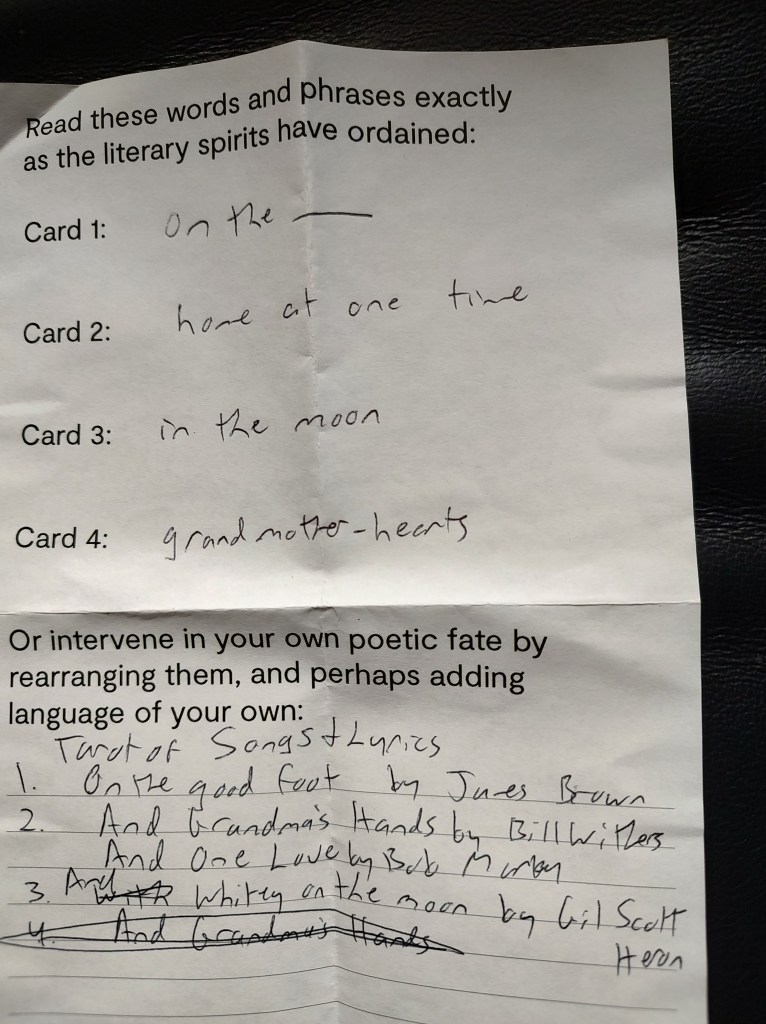
I slept from 3-6 a.m. By 7, I was back out on the bike for the day’s first bonus checkpoint. “Poetry Tarot” occurred at Woodland Pattern, an independent bookstore that sells my book Az Der Papa. To get my passport stamped, I sat for a turn of tarot cards with random phrases that I was told to transcribe, edit into a new piece of writing, and read aloud on the mic to whoever was in the street.
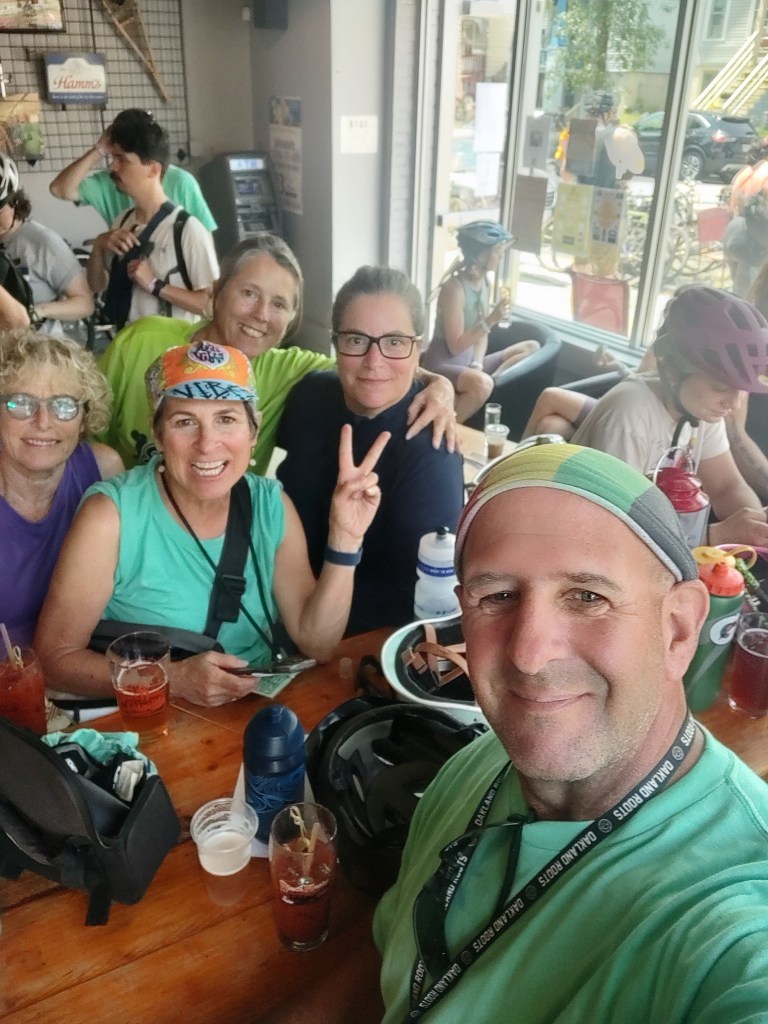
Our Team Millio Zillio group text re-convened us at Woodland Pattern, where we planned a strategy to help our team complete a total of 20 laps before the race ended 12 hours later. Through a comedy of flat tires, needing to meet teammates’ delightful adult children at various checkpoints, and wanting a traditional Milwaukee brunch of Bloody Mary, we rode — sometimes alone and other times together — until an appointed stop at “The Pride of Milwaukee” checkpoint, which opened at noon at Black Husky Brewing.
Damn good Bloody Mary served Wisconsin style with a chaser of pilsner brewed onsite and damn fine company as we ran into old high school buddy Mike D’Amato (not pictured).
From there, we ground through laps to get our goal in the 82-degree heat, amid the cacophony of Harleys and Air Force jets, surrounded by swarms of competitive cyclists. We were sleepy and sore, but fueled by free food at one of the checkpoints and soaked in sweet relief by sprinklers and squirt-gun toting curbside kids. The Riverwest community rallied around us and kept us going.
By about 6 p.m., we finished our 20th lap. Riverwest 24 officials at the final checkpoint punched the last hole in the second page of our official race manifest.
We rode to our 6:30 tattoo appointments at Falcon Bowl, established 1915. We waited at the bar, replenishing our precious bodily fluids and building our courage until it was time to climb the narrow staircase in stifling heat to an office space/tattoo parlor. For about five minutes and with minimal pain, we permanently commemorated our ride, earning the bonus points that put us in a 7th-place tie on the leaderboard among 19 teams in the Elder category.
Our most important business complete, we rode back to the finish line, just as the race officially ended, satisfied with these stats.
We sat on the patio of Club 99, watching people take turns launching their bikes off the ramp at the Cheese Jump.
Over our last beers of the Riverwest 24, we swapped stories of our own adventures and gratitude for the community commitment it took to manage 1,800 riders and untold numbers of spectators, from the top echelon of organizers to each and every volunteer pool noodler who directed traffic over the previous 24 hours, keeping us safe, sane, and supremely satisfied with our experience.
From the depths of despair to the heights of hope, reflections on this Juneteenth weekend:
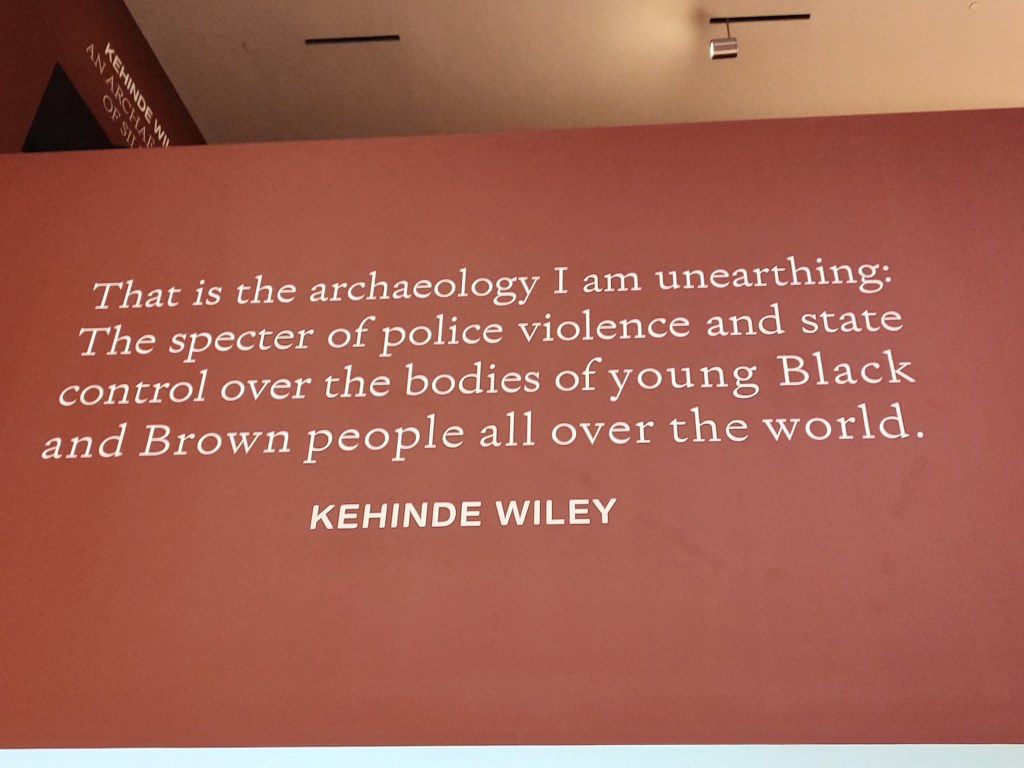
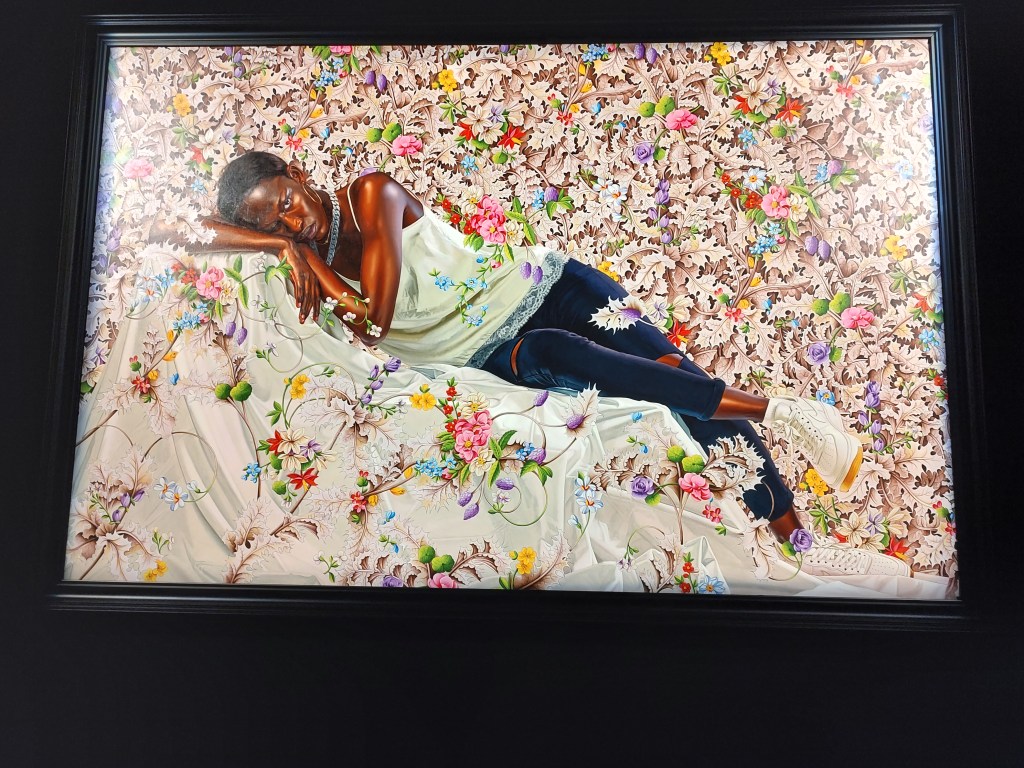
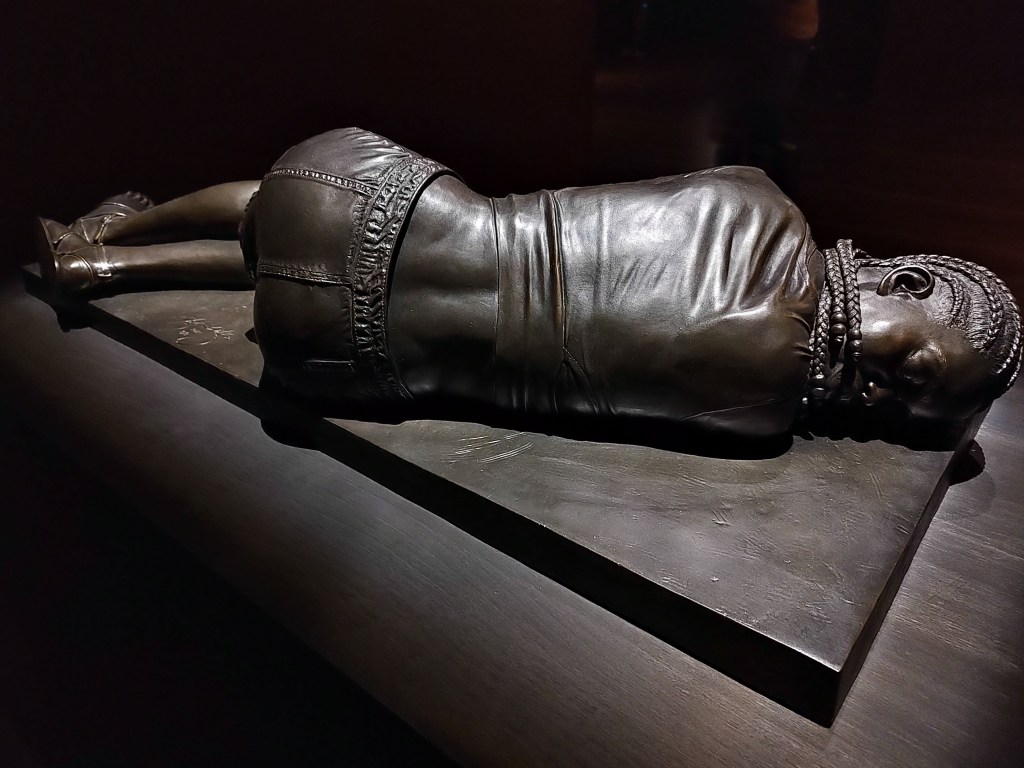
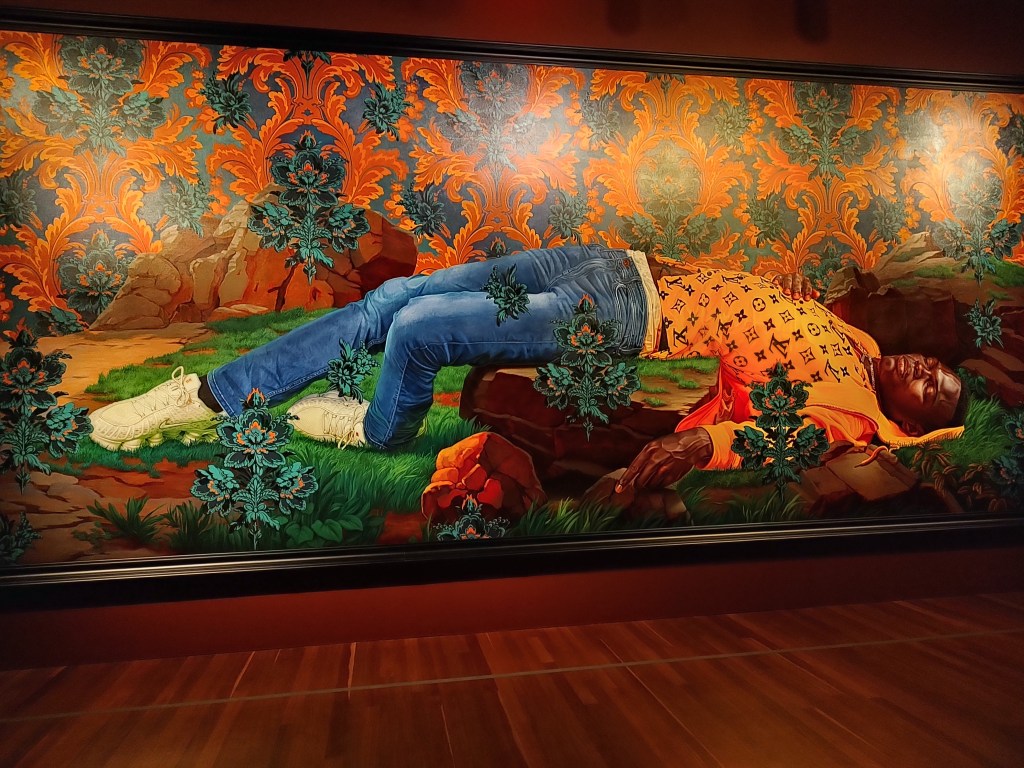
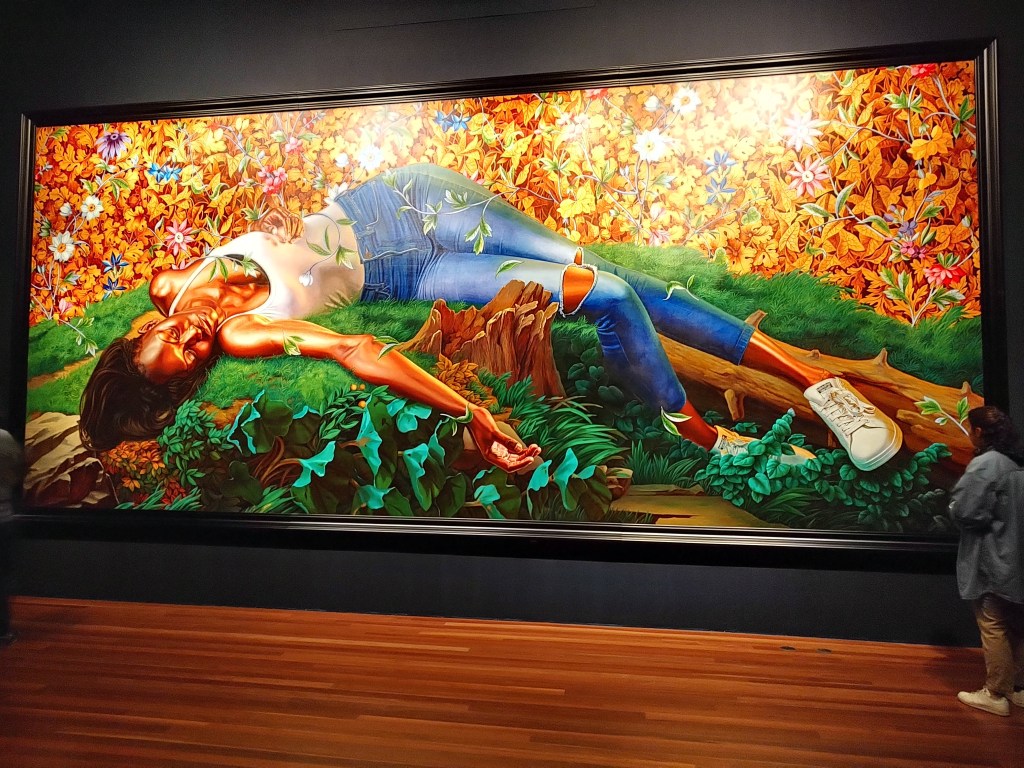
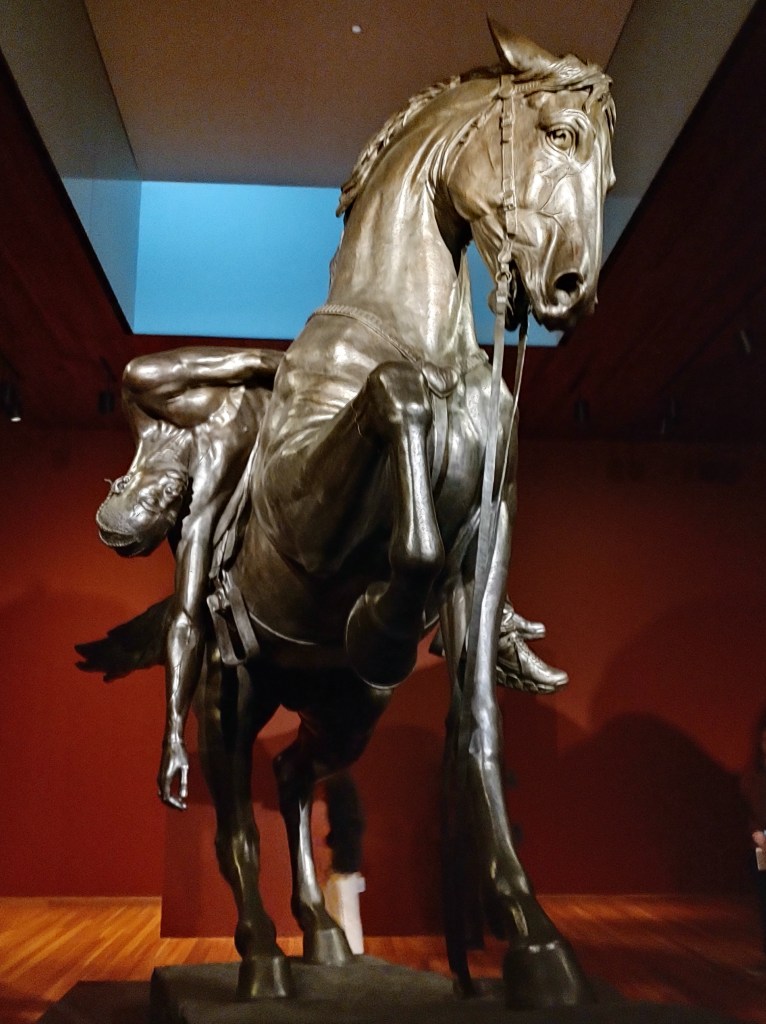
It was a no-brainer this weekend to maintain a perfect record of attendance at Jilchristina Vest’s Juneteenth block party. And, it was a free Saturday admission day for the Kehinde Wiley exhibit titled An Archaeology of Silence at The de Young Museum, so I set out early to ensure spending plenty of time at both.
Together, those events elicited a range of emotions as wide as the arc of past, present, and future Black experience. The contrast between the two left a mark.
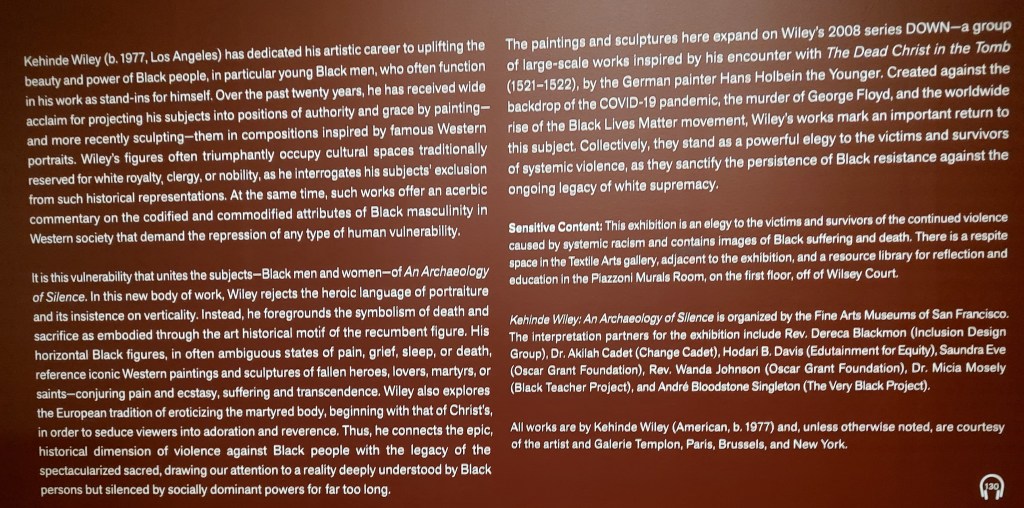
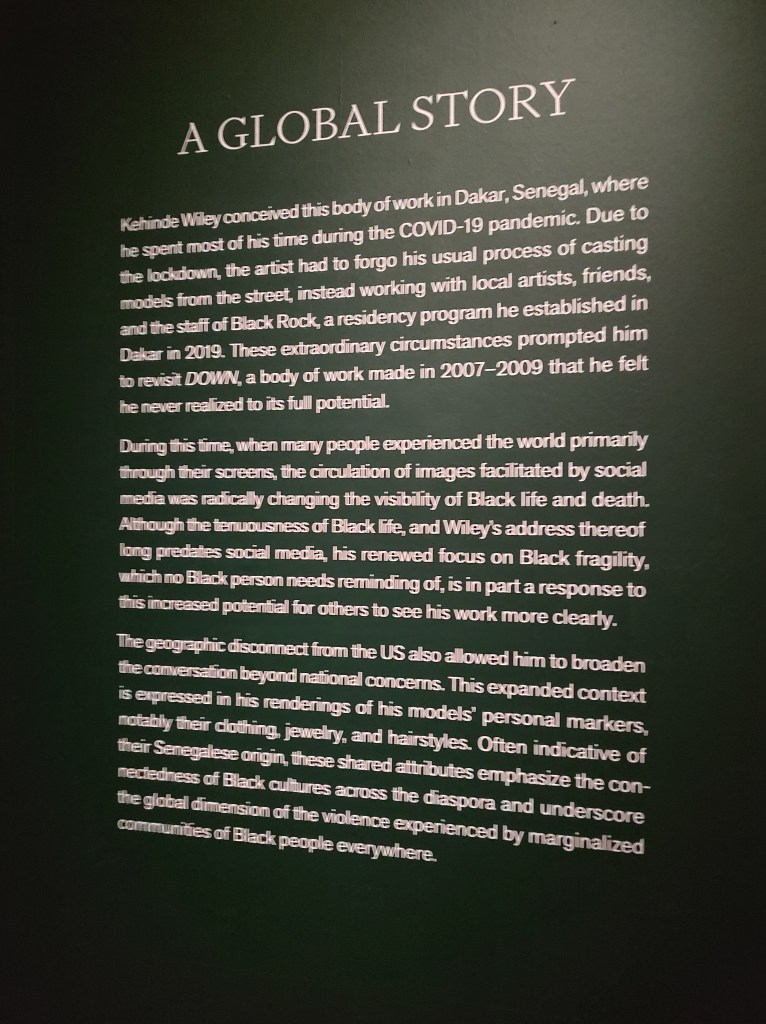
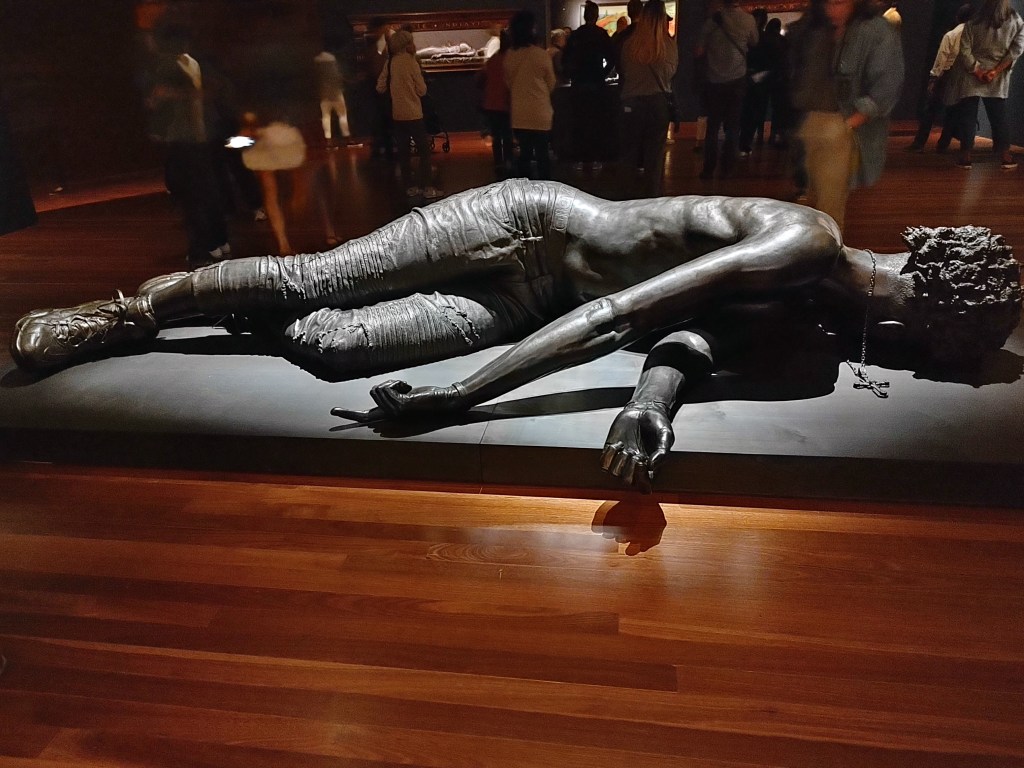
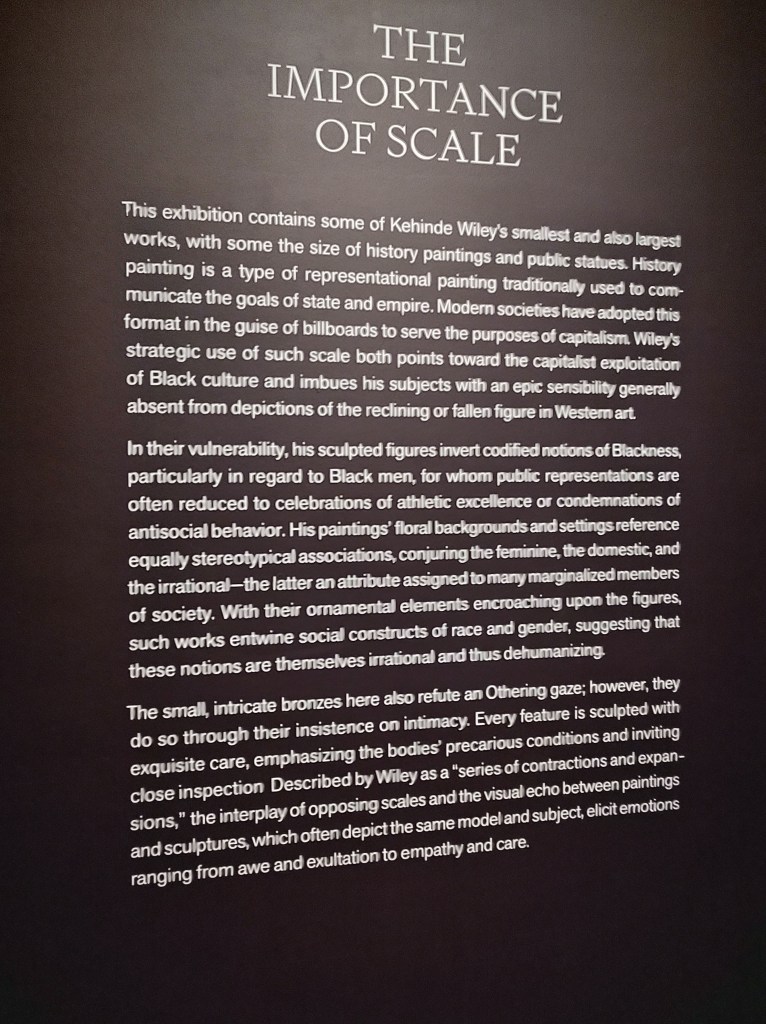
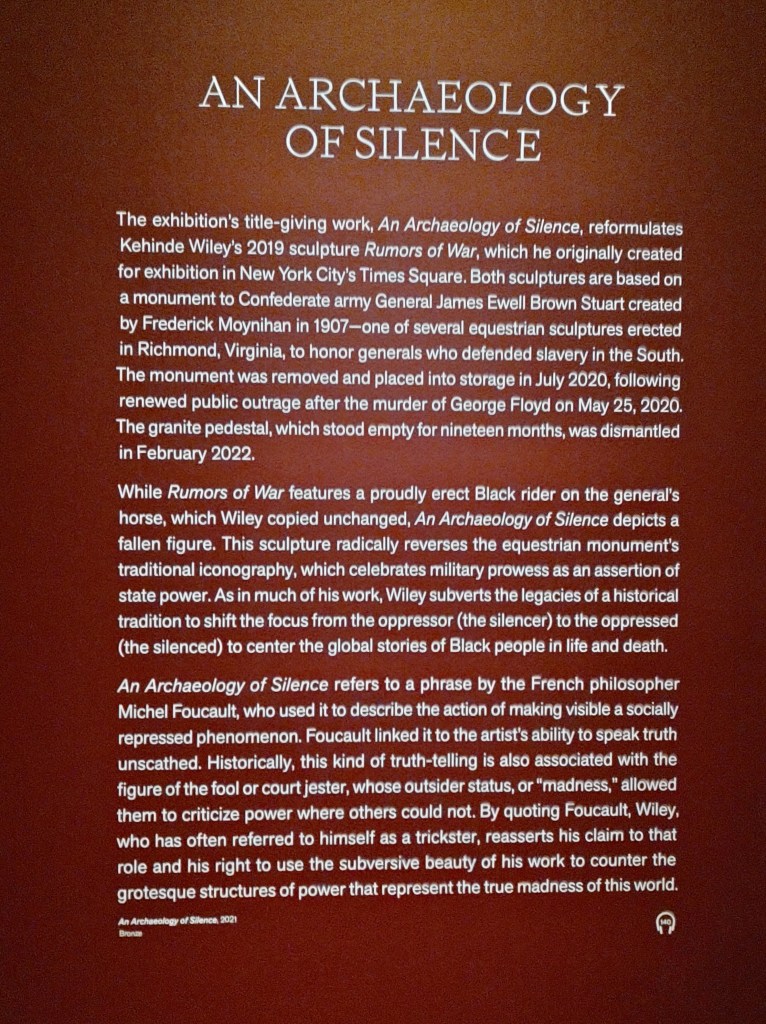
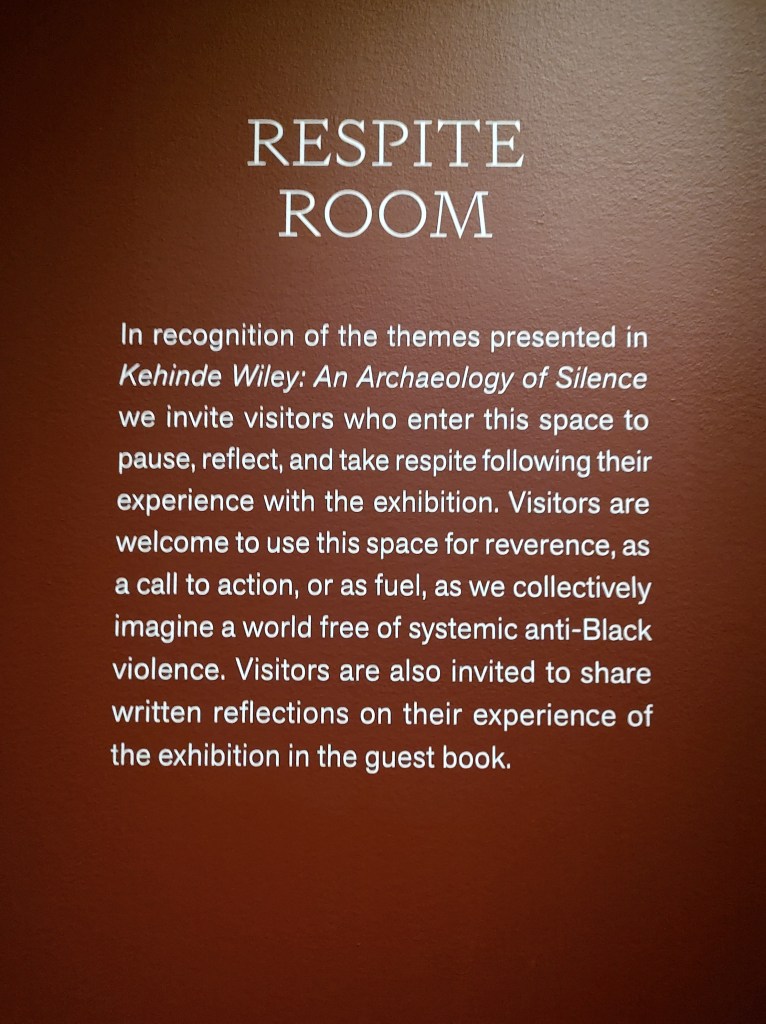
Placards outside of An Archaeology of Silence stated the exhibit’s purpose and warned of its psychological and emotional effects.
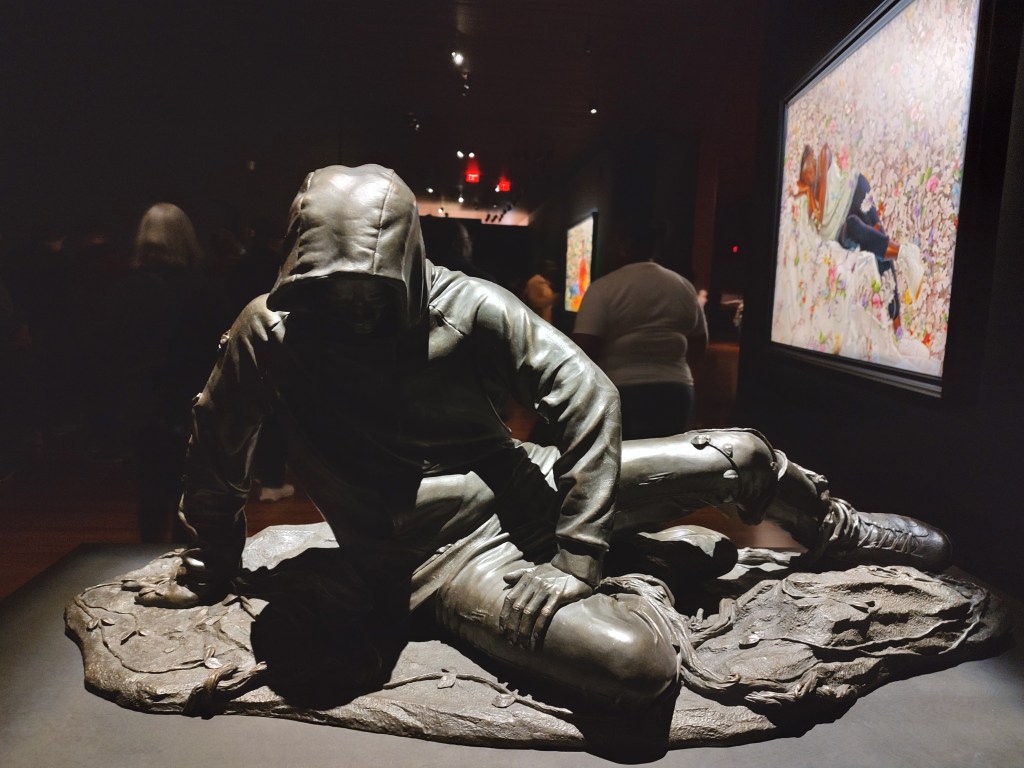
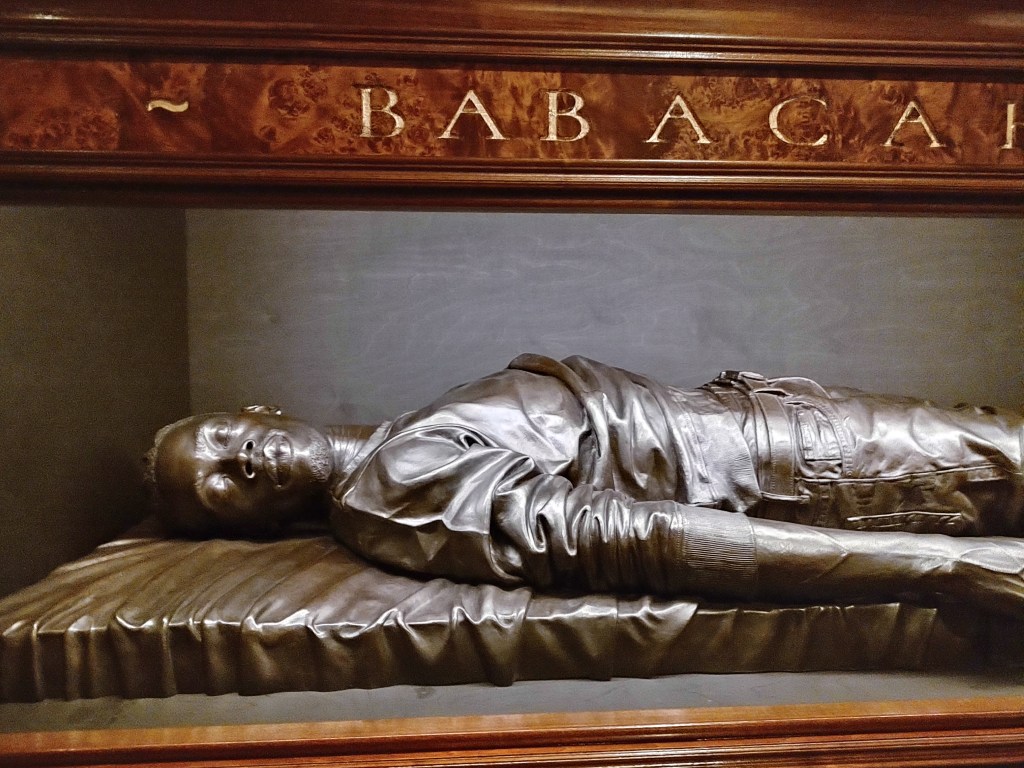
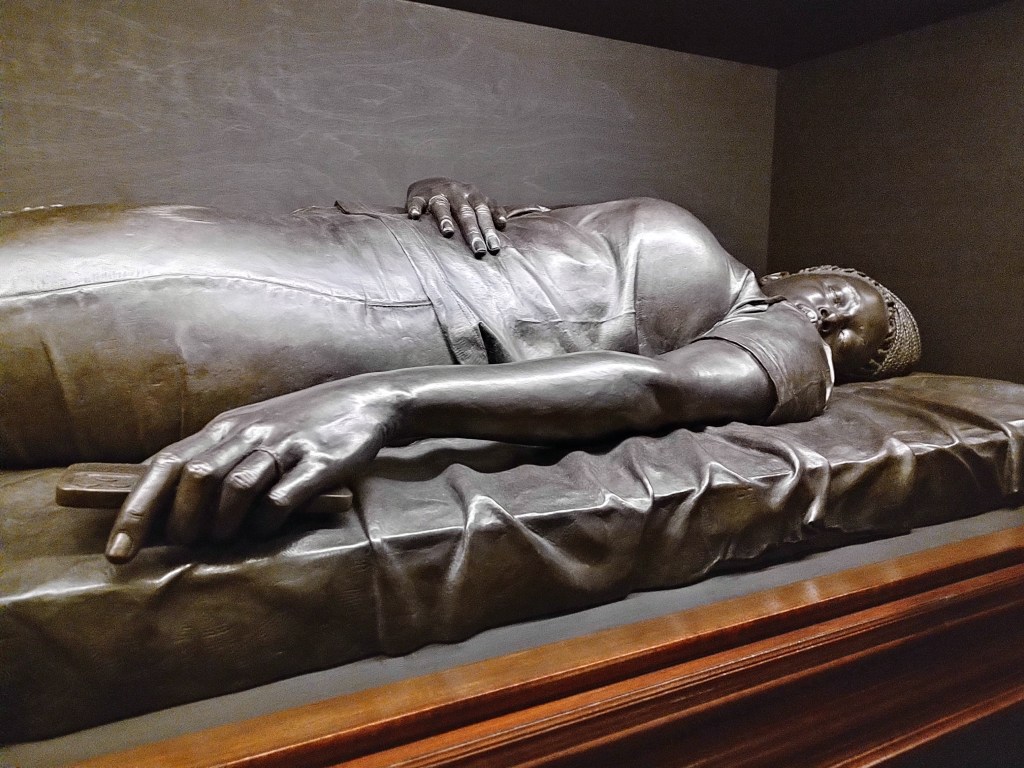
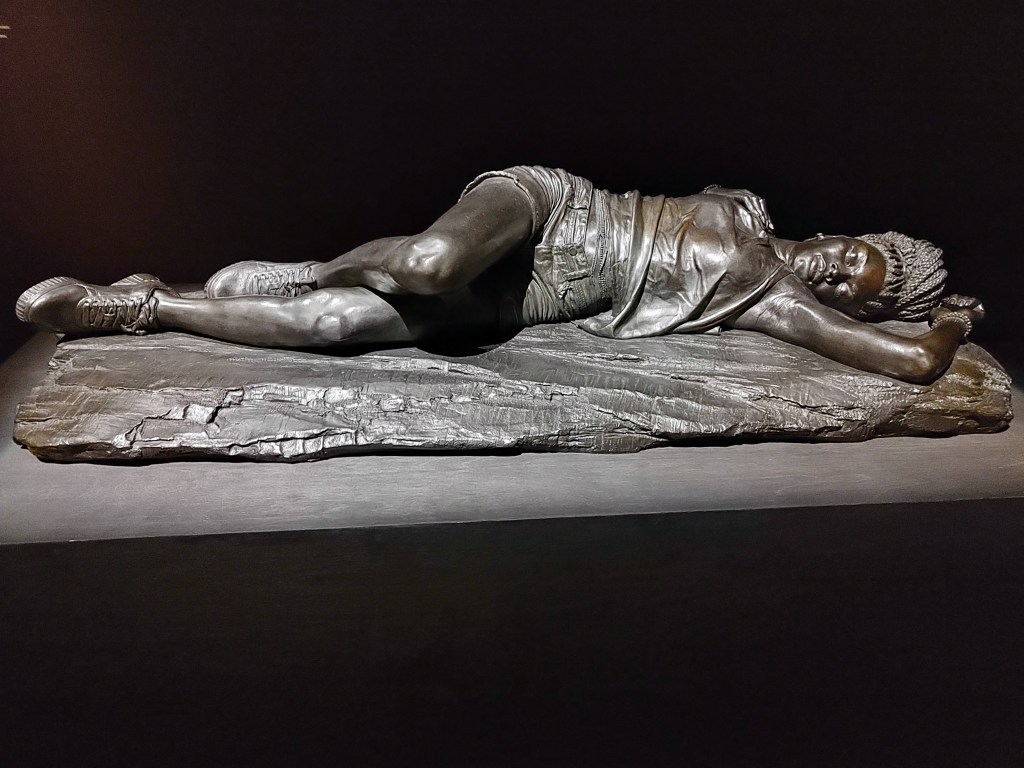
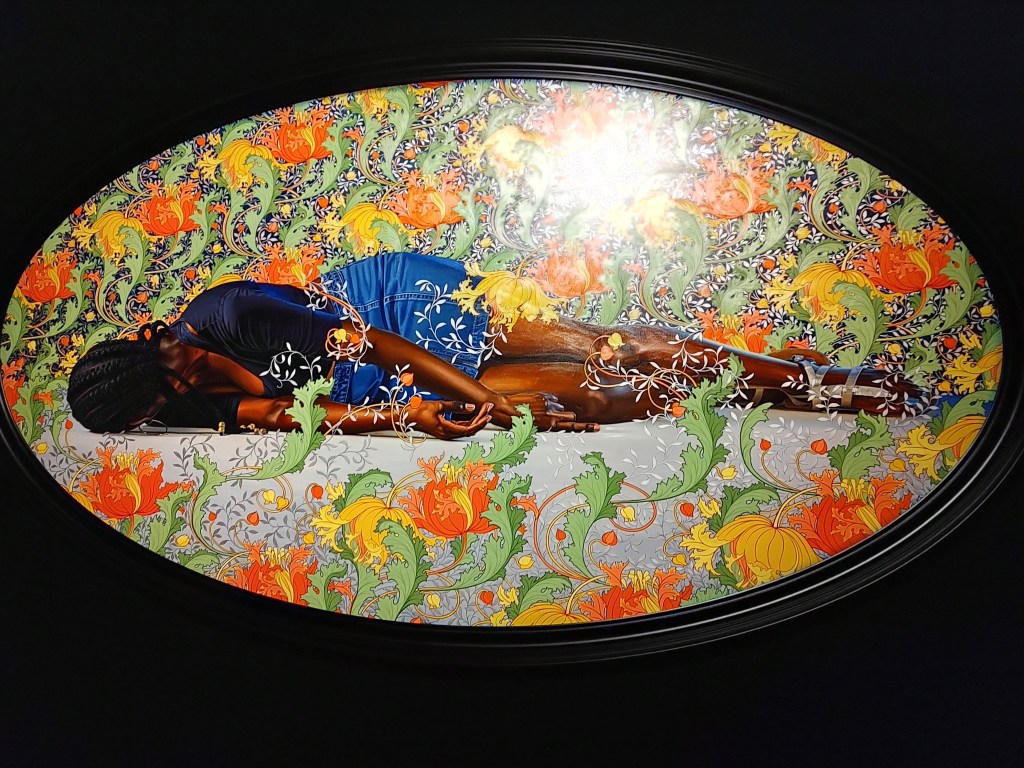
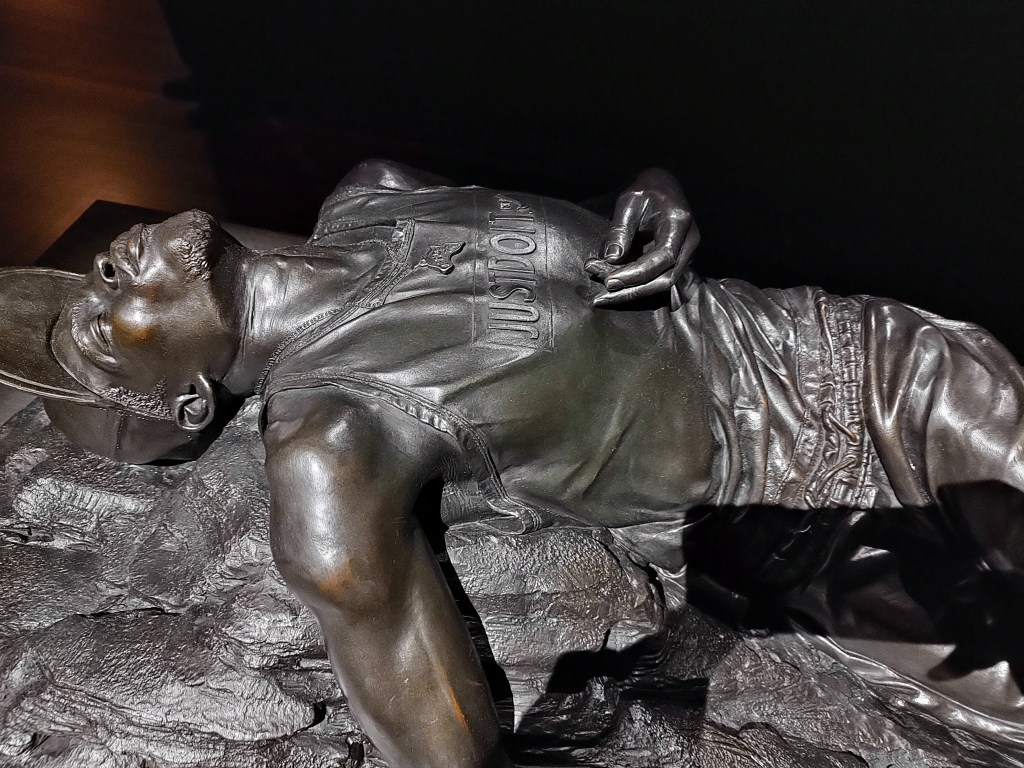
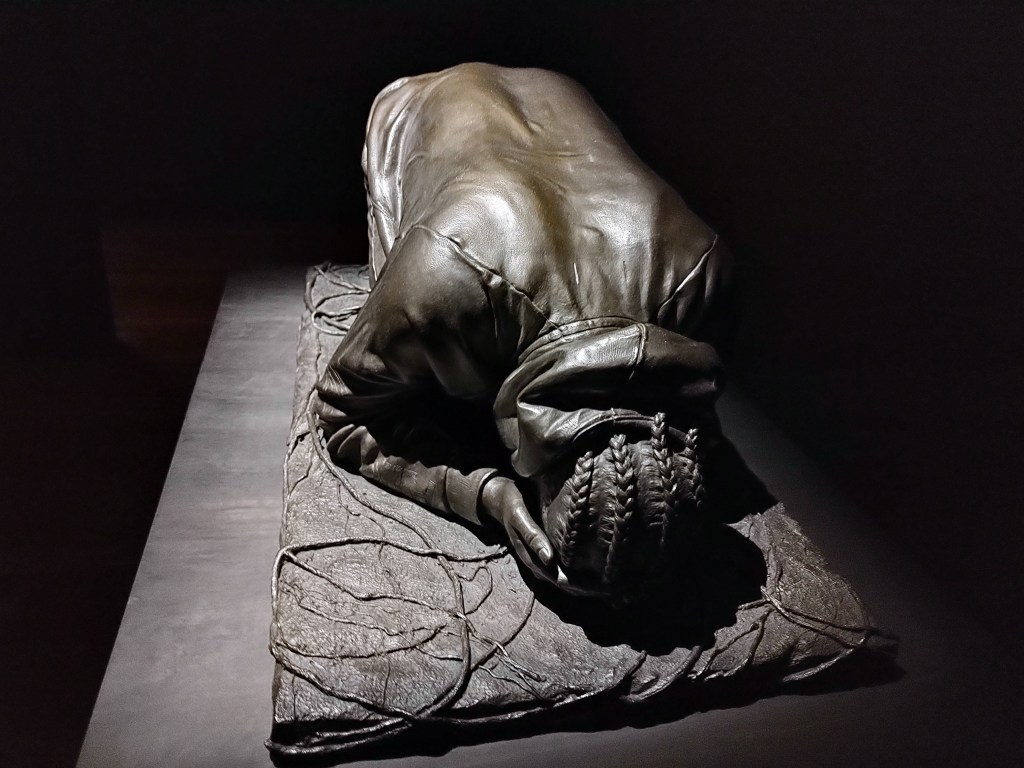
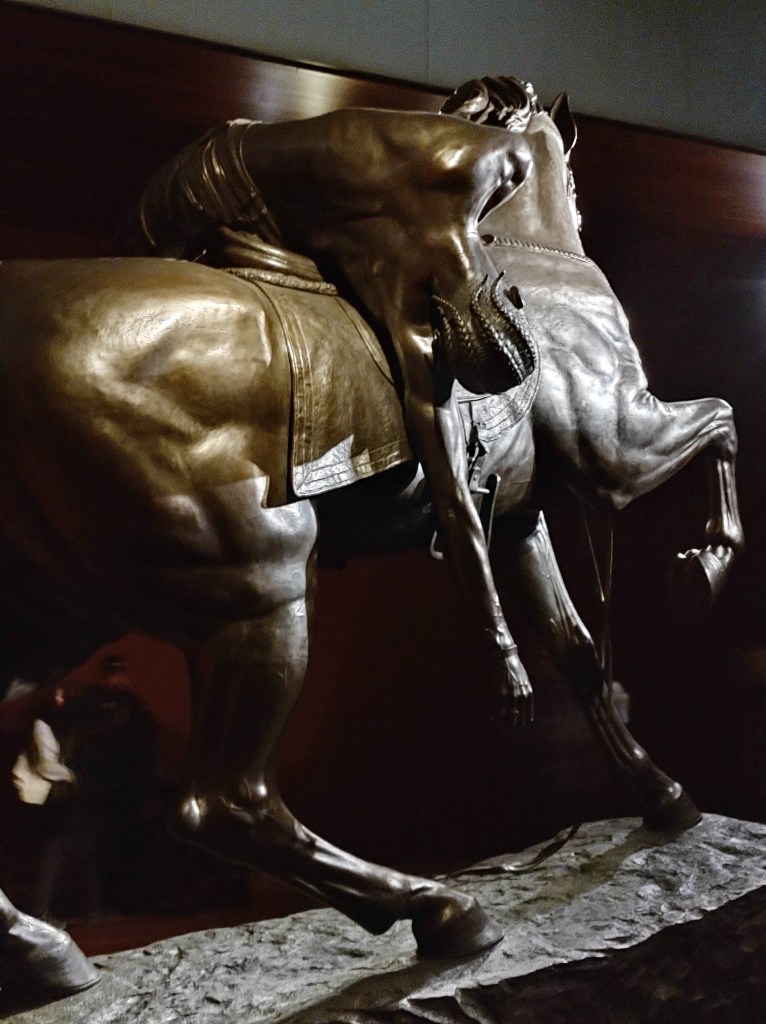
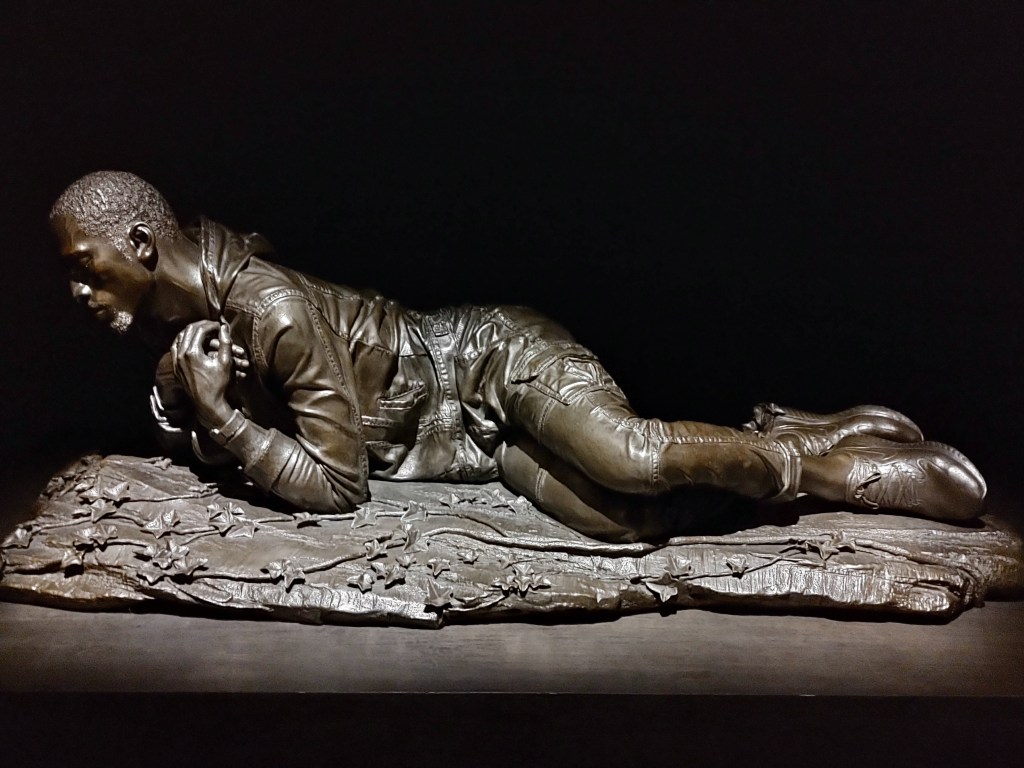
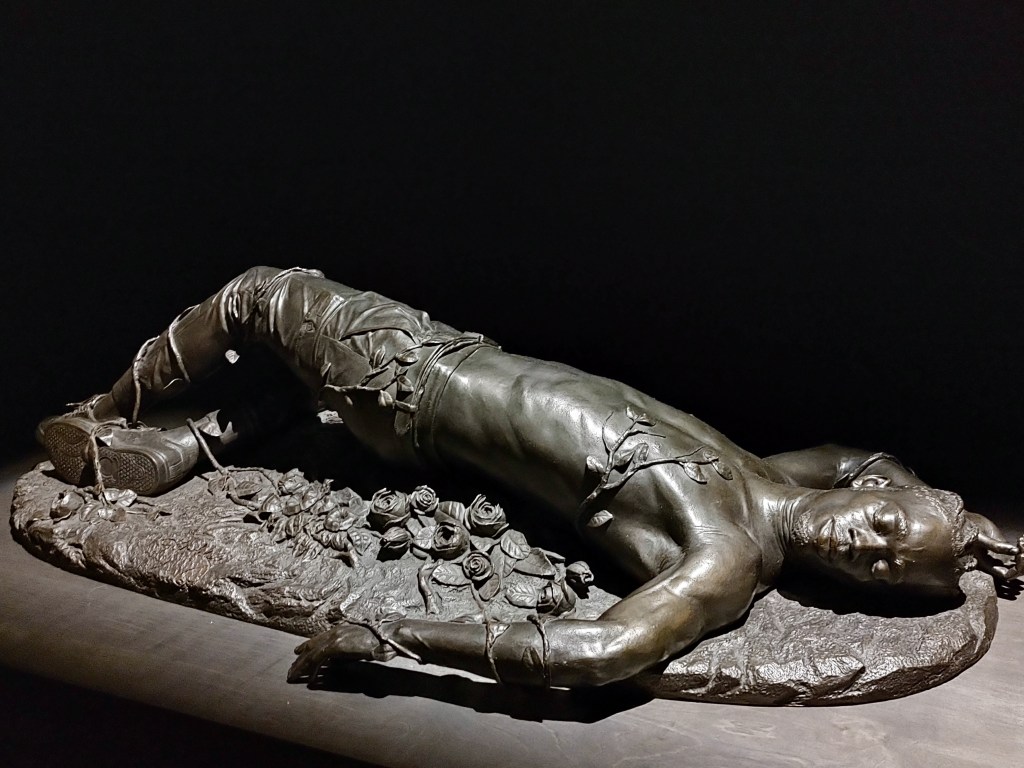
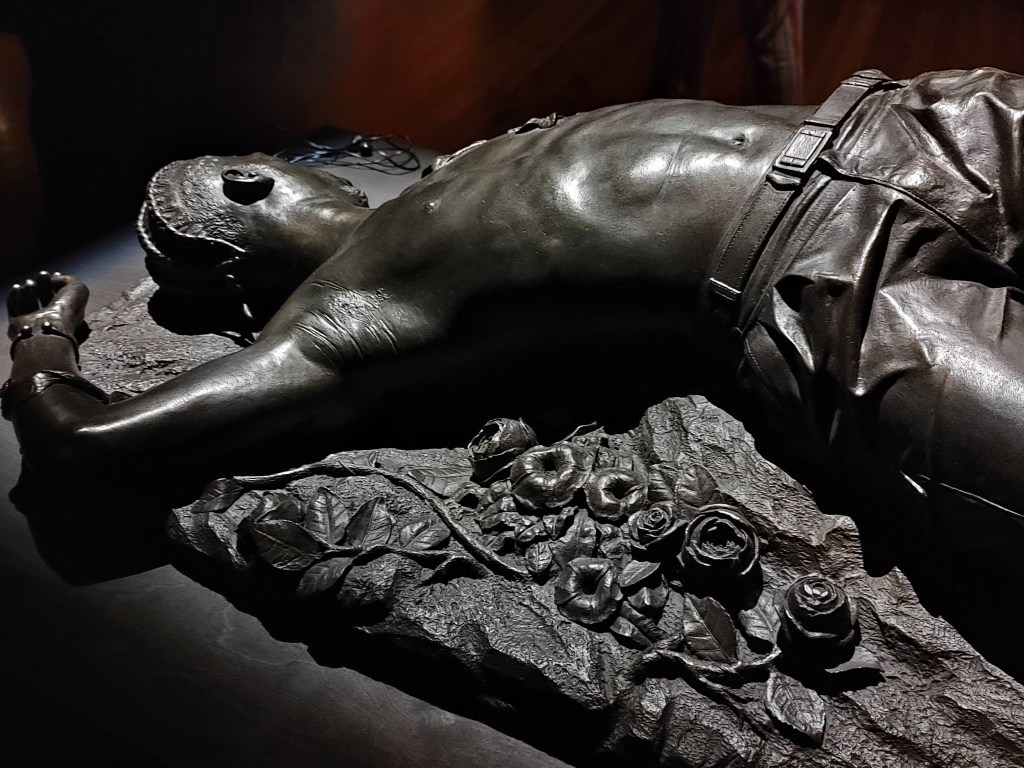
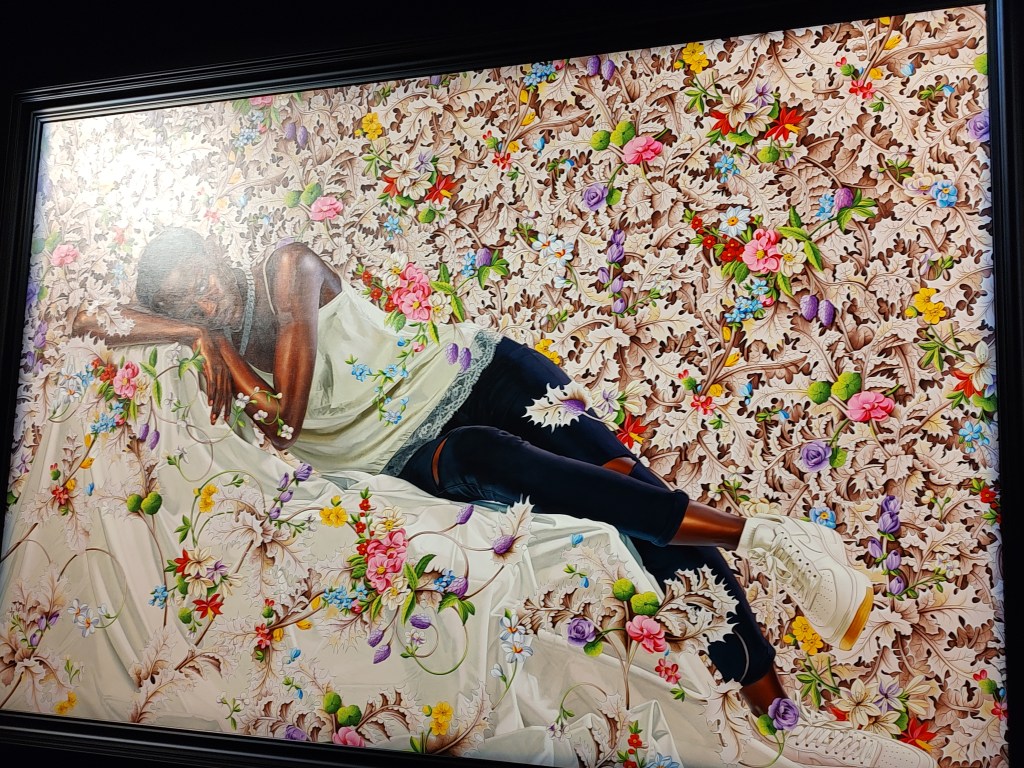
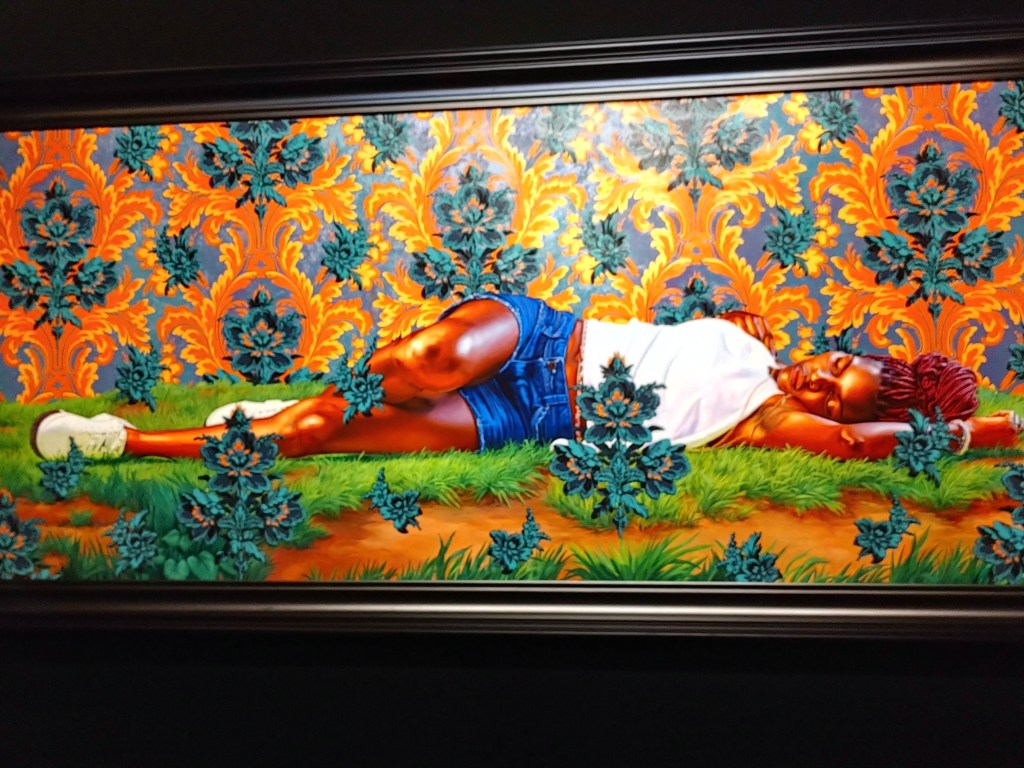
The space between each of Wiley’s oil paintings and bronze sculptures, the strategic spotlighting, and the variety of size and scale of the pieces created time to fully experience them individually. Marveling from a distance at Wiley’s technical prowess, I was pulled in for closer examination of each work.
Wiley’s embodiment and conveyance of Black excellence — like that of say, Muhammad Ali or Billie Holiday — would not let me look away no matter how gruesome the rendering, how twisted the dead or dying figure. Multiplying that by close study of all 25 works — my face inches from veiny painted limbs that reveal no brushstrokes, squatting to look up into a sculpture’s empty eyes — created a cumulative effect of overwhelm.
A one-hour walk through would be enough, and I wanted to get to Jil’s Juneteenth event. But nearing the exit/entrance point, a docent’s tour was beginning, so I tagged along and learned so much more that I asked if he was a de Young employee or a Wiley expert. He introduced himself as Abram Jackson, the museum’s director of interpretation.
Along the way, I took these photos.
The exhibit title references “a reality deeply understood by Black persons but silenced by socially dominant powers for far too long.” Wiley’s work not only shatters the silence but ensures that anyone listening will understand.
The Respite Room helped…not to ease the sadness but to allow for functional transition back to the real world. Jil’s 3rd Annual Free the People Community Block Party helped ease the sadness.
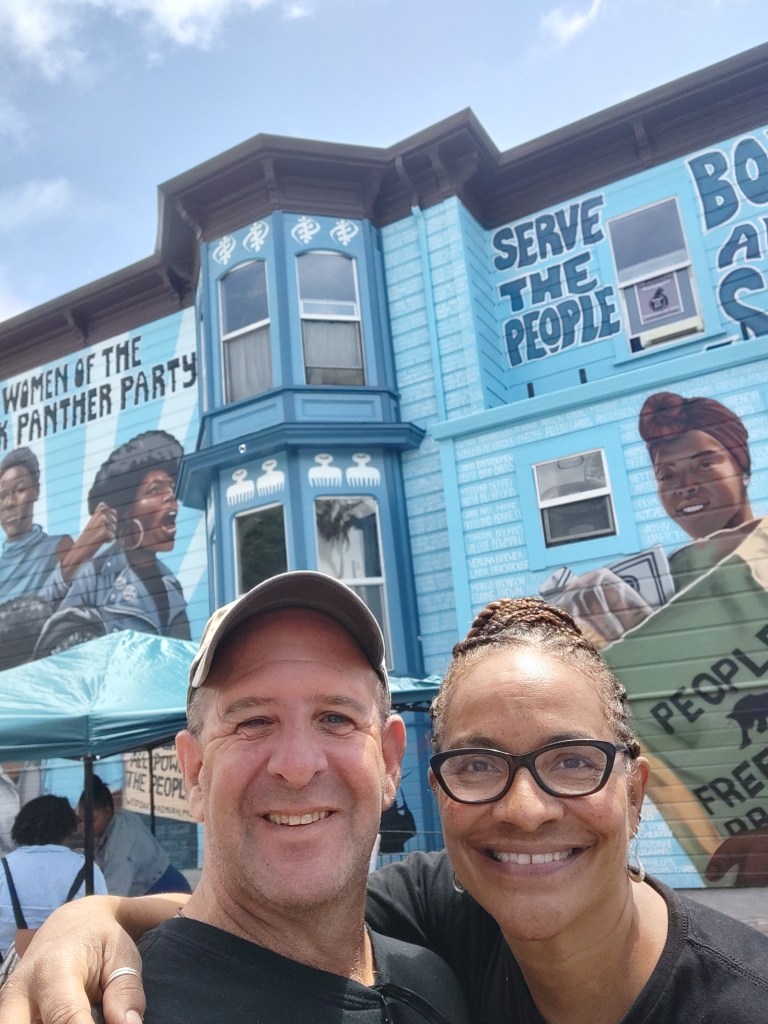
Community flourishes there as nowhere else I know. In the shadow of the Women of the Black Panther Party Mural and Museum, which makes you literally “look up to Black women,” Jil brings to life the best of the BPP’s heyday in the form of social programs.
As you’ll see in the video below, the event feeds the community with free groceries, art, music, fun, refreshments, healthcare, and empowering information that helps generate agency, autonomy, and dignity in even the most lost and broken souls of the neighborhood known as Lower Bottoms. Jil is a whirlwind at the event, hugging new and old friends, charming shy children, handing out buttons, directing volunteers, head on a swivel, checking “Are you OK, sister?” and as shown at the end of the video, serving food when the line gets too long.
What you didn’t see in the video, but which I saw in person and which lifted the post-Kehinde Wiley gloom, was Jil standing with a man whose tattered clothing was covered in the roadside straw he’d slept in and staggered out of onto her street, addressing him by name and making sure he had all the free everything he could carry.
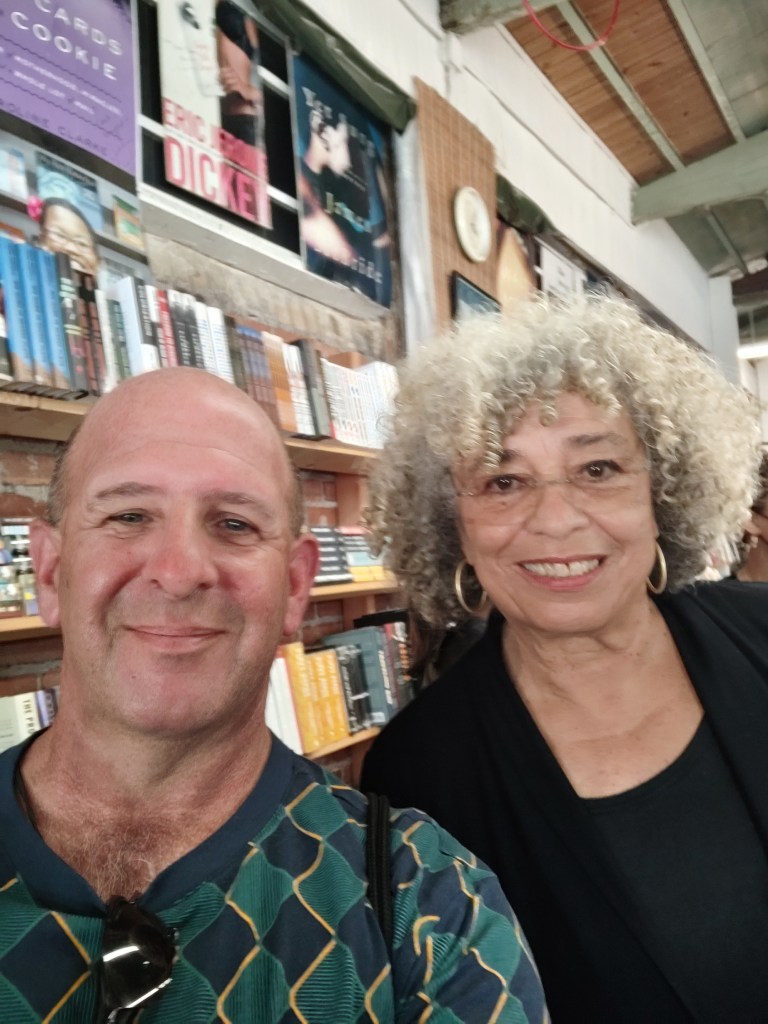
Yeah, that’s Angela Davis, and I am glad to finally scratch that meeting off of my bucket list. Word of the opportunity arrived from @marcus.books, which hosted her and other contributors to the new book Comrade Sisters: Women of the Black Panther Party for presentations, conversations, and book signings.
Arriving 20 minutes early, I stood at the end of a block-long line that eased into the bookstore’s cozy confines. Maybe 200 or 300 folks packed the place for Marcus Books’ first in-store event since the pandemic started.
Speakers included:
Blanche Richardson, owner of Marcus Books, the nation’s oldest Black-owned bookstore, whom I met while working on At the Cookout
The author of Comrade Sisters, Ericka Huggins, a prominent Panther, whose husband, John, was assassinated in 1969 in a plot allegedly hatched by the FBI’s COINTELPRO
The book’s photographer, Stephen Shames
Several women of the Black Panther Party on a panel that Angela Davis moderated.
Each speech inspired more than the one before. Angela Davis told the story of an illiterate 14-year-old boy, who grew so enamored of John Huggins’ leadership that he borrowed books and a dictionary and taught himself how to read in order to improve his effectiveness in the movement. Off to the side, whenever so moved, an old man leaned on his cane and muttered through his mask, “Power to the People.”
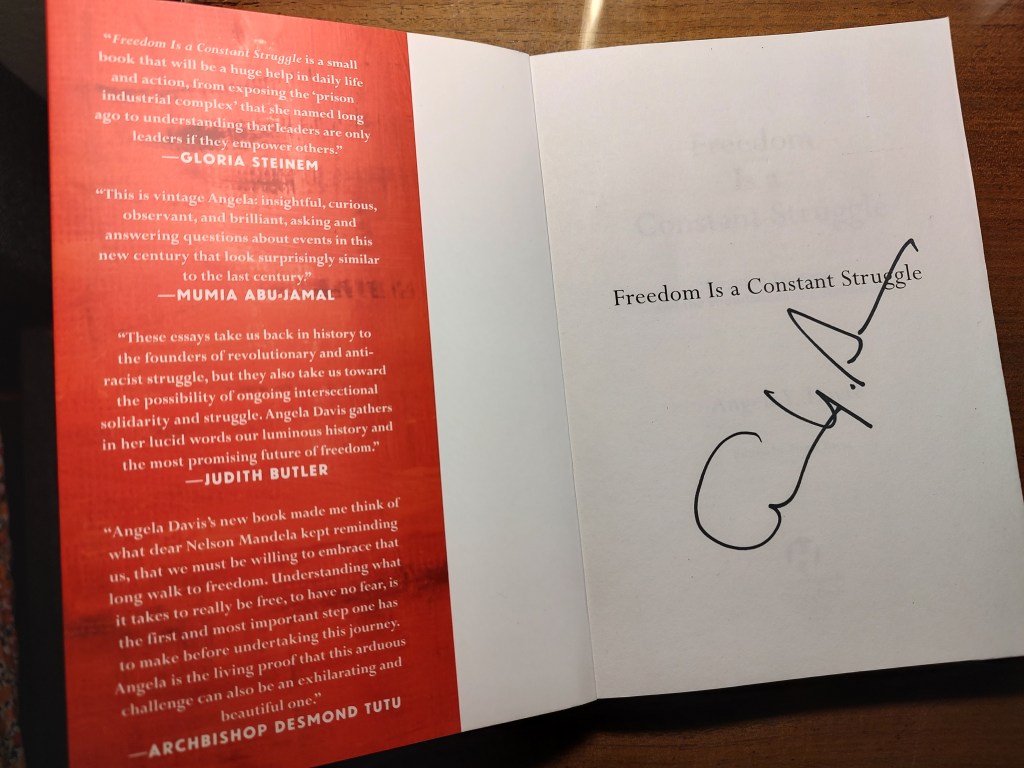
In-between, there were personal reunions, handshakes, hugs, back-slaps and shouts. Blanche ran out of copies of Comrade Sisters to be sold and signed. Fortunately, I’d brought my dog-eared copy of Freedom Is a Constant Struggle, so I stood in line for an hour after the presentations until it was my turn for Angela Davis to sign.
Like most book signings, it was hurried, without enough time to tell the author exactly how the work moved you. Like all book signings, sharing any space and time with an author who moves you to stand in line leaves you feeling you’ve stood with greatness.
The next day, Jilchristina Vest hosted another signing for Comrade Sisters at her home, which houses the Women of the Black Panther Party Mural and Museum. Arriving even earlier than the day before, I had a chance to catch up with Jil on our work, help her set up for the event, and give her one of Brandy’s candles that I wrote about in At The Cookout.
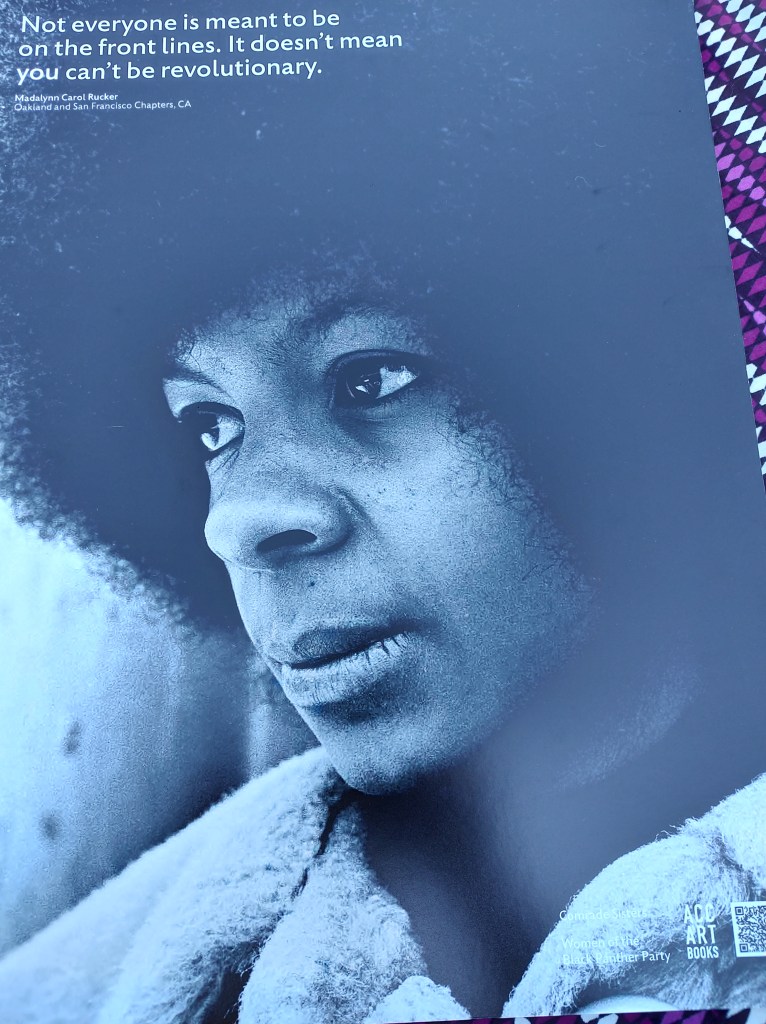
Held outdoors as a block party with food and a DJ, Jil’s event brought the book’s author and photographer together with even more of the women of the Black Panther Party. My favorite presentations, featured below, came from Cheryl Dawson, Ericka Huggins, and the Oakland School for the Arts.
In the picture above, Ericka holds one of the posters that Jil had left out on tables for the public to ponder. Its message holds particular meaning for me as a writer and reminds me to aspire to more.
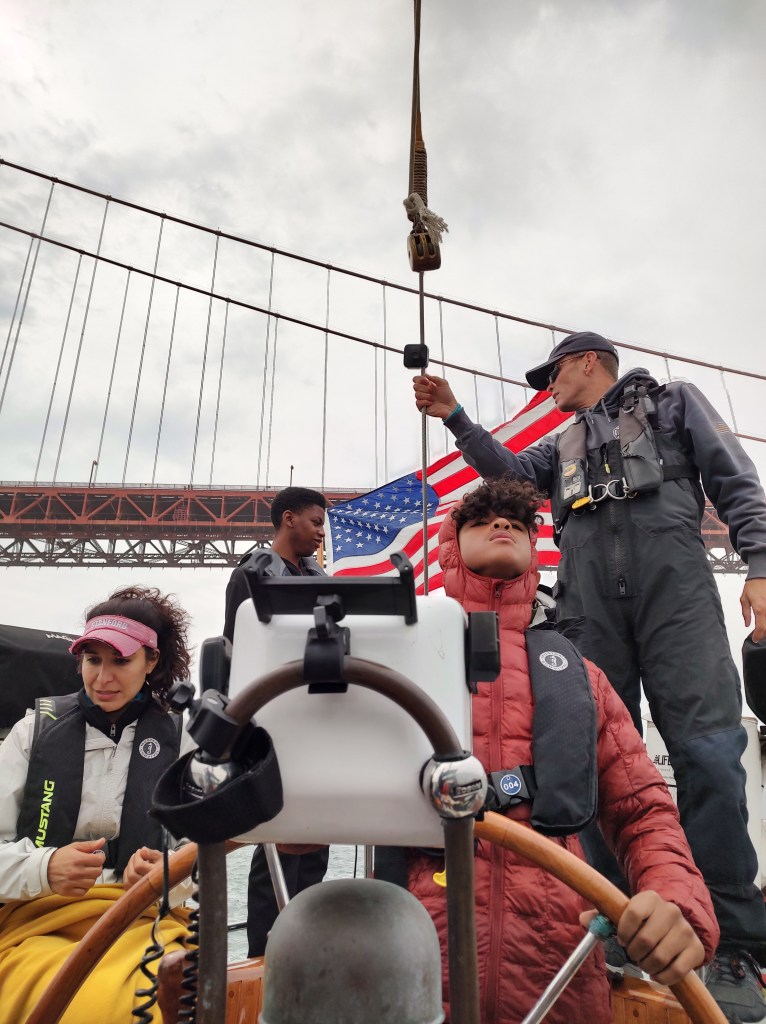
When Eric Jones, captain of Sea Valor, handed me that flag behind us to place in the flag holder yesterday, my first thought was “don’t drop it into the Bay.” The American flag means more to Eric than it does to many of us.
Eric’s story came to me from Tony Green a few weeks ago, as I sat across Tony’s desk at Bishop O’Dowd High School in Oakland learning about his pioneering work with the new AP African-American History course. Tony invited me to join his group aboard Sea Valor, where Eric, Tony’s former student, would contribute to the course curriculum.
An invitation for a day sailing on the Bay is a no-brainer, but that invite grew dear to my heart when Tony told me Eric’s story, adapted here from http://www.SeaValor.org:
Eric grew up in the Bay Area, his mother a social worker, and his father an Air Force Colonel. Eric felt compelled to help people from an early age and became an EMT as soon as he turned 18. That led to him joining the Prince George’s County Fire Department, where he received additional training in firefighting, search and rescue, hazardous materials, and rescue diving. Eric continued by earning his Paramedic certification, and in 1998 graduated from The George Washington University (GWU) with a BS in Health Sciences, with a focus on Emergency Medical Services with a minor in Psychology.
On the morning of September 11, 2001 Eric was driving to class at GWU (he was then working towards a Masters in Public Health), and as he neared the Pentagon, American Airlines flight 77 had just crashed into the Pentagon. Knowing he had the skills to help, he pulled over and ran towards the building. He helped pull and carry five people from the impact zone, and then spent the next four days as a member of the Mortuary Affairs team removing the remains of those killed. On September 14, Eric finally left the Pentagon, and drove to New York Ground Zero, to join fellow members of his fire department who were already there assisting with the massive search and rescue operations. He spent another two weeks engaged in search and rescue, and then search and recovery operations. For his efforts, Eric was one of two people awarded the Medal of Valor from the Department of Defense, the highest civilian award issued for heroism.
Like many of the first responders during 9/11, Eric has struggled with PTSD, and additional traumatic events over the years have made it worse. He has tried all of the traditional treatment methods; therapy, medications, support groups, etc., and found varying degrees of success, however nothing has “cured” the depression and PTSD.
Over the years, Eric has known seven people who have taken their lives as a result of their depression and PTSD. In 2016, his friend Jason, an honorably discharged and highly decorated Army sniper, took his own life. Just a few months later, his friend Andrew Berands, an Oscar-winning cameraman, took his life. Both of these tragic deaths affected Eric very hard. He has known firsthand the deep feelings of hopelessness and despair that result from the inability to process traumatic events. Eric’s fate might have been the same, but believes that sailing and a love for the ocean saved his life.
Eric has always loved all things ocean; scuba diving, swimming, boating, exploring tidepools, but in 2010 he discovered sailing. First, on small sailing dinghies in the Potomac River, then on larger boats which ventured offshore. In 2011 Eric served as crew on his friend’s boat sailing from Miami, Florida to Annapolis, MD. This experience solidified his love for sailing.
For a week, as they cruised up the Eastern Seaboard, Eric felt happy for the first time since before 9/11. His depression was still there, but sailing and being surrounded by the ocean and all of its beauty, brought him a sense of peace that he had been yearning for. This was the first time he realized the healing power of sailing and the sea.
Over the next several years, Eric’s depression grew worse. After his mother died in 2015, followed by the suicides of his two friends, Eric was in a bad emotional state. The only time he felt calm and at peace was when he was near or in the ocean. He started sailing with friends, and over time, he realized that he felt better not only on the days that he sailed, but on the days before and after. Sailing and other ocean activities were helping. Eric founded Sea Valor to bring the same healing to others suffering from PTSD.
Yesterday, I joined Tony, a diverse group of his students, and a few other strays like myself at the Emeryville Marina, where Sea Valor is moored. I asked Tony how Eric might be feeling on the eve of the 21st anniversary of the 9/11 attacks. He said that we may or may not hear from Eric about that, and he reminded me to check out the display below deck of the triangular-folded flag that Eric rescued from his days of service at the Pentagon.
Waiting in the parking lot as Eric and his crew prepared, Tony completed the class’ unit on “The Global Reach of the Mali Empire,” dropping knowledge and calling on students to contribute what they’d learned in his classroom, including the voyage of King Abubakari II, ruler of the Mali Empire, who in 1311 AD, led an African exploration to the New World, sending out 200 ships of men, and 200 ships of trade material, crops, animals, cloth, and African understanding of astronomy, religion and the arts.
Soon after boarding, Eric’s father, a retired Air Force colonel, gave a brief presentation on African-American contributions to our country and gave us each a newly minted quarter commemorating the Tuskegee Airmen. That set the tone for our voyage, mixing education, a celebration of Black excellence, inter-racial exploration, and the co-operation that sailing requires.
Eric put us under engine power until we cleared the Berkeley Pier. Students helped raise and lower sails and took turns at the wheel under direction of Eric and his crew–Heather and Nixon. We tied up at Angel Island, the “Ellis Island of the West,” where many Asian immigrants started their American adventure. There, Eric presented to the students about the technical aspects of currents and navigation, introducing a STEM element to Tony’s teaching and helping students understand what confronted both King Abubakari II and then 300 years later, those who endured the Middle Passage.
From Angel Island, we sailed toward and under the Golden Gate Bridge.
Then we skirted Alcatraz Island, where Tony and our new friend, Wanda, kept conversation real as we drifted past reminders of some other real Americans.
Eric kept us on the water for about five magical hours. Although we never heard from Eric about his trauma, many of us shared stories of our own. Wanda and I compared notes on the Black and Jewish experiences as both friends and foes in this country. Nixon, of Asian descent, explained that his father named him after the former President, dooming him to not only persistent questions about the origin of his name, but also being playground nicknamed “Tricky Dick.”
Exhausted and exhilarated, we arrived back at Emeryville, processing thoughts and feelings that arose from our conversations, none about how to make America great again, most about how to make America America again.
My friend and collaborator Gino DeGrandis — photographer for our mutual client, Fit Kids — snapped this photo of the near-unprecedented thunderstorms that rolled through the San Francisco Bay Area on August 16. One of Gino’s photographic specialties is stormchasing all over the world. He’s seen a few, some too close for comfort.
This one was not so threatening in and of itself, but its 10,800 lightning strikes sparked hundreds of fires in the Bay Area, plus a phenomenon new to me called a “fire tornado.” The three major “fire complexes” — named the LNU, the SCU, and the CZU — have burnt a half-million acres. The CZU, in my county of San Mateo, is 0% contained and threatens more than 24,000 structures.
For now, I am safe other than inhaling the occasional floating ash while running or bicycling, which I must, even more than usual, to stay centered during the Coronavirus crisis, let alone this latest shit-rain. An August thunderstorm, a delightful staple of my Midwestern days, but never experienced during my quarter-century in the Bay Area, contained next to none of the actual rain our region needs to prevent fires.
What to do? Keep working. After all, it’s back-to-school season.
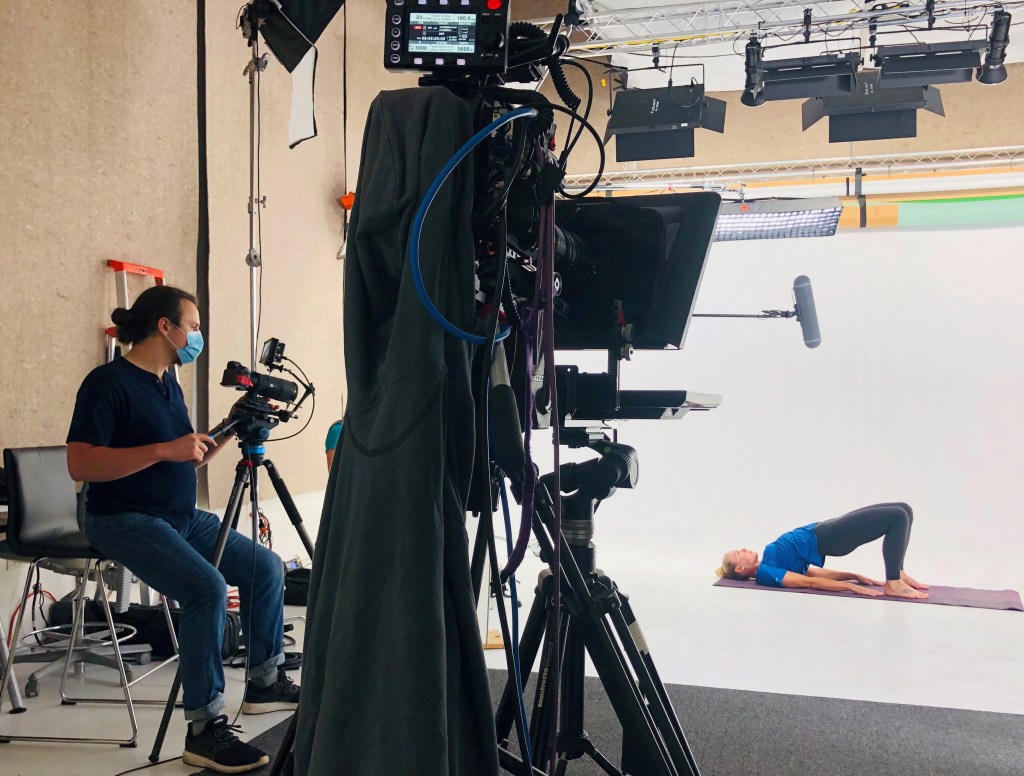
When Gino emailed me his photo, he mentioned that he missed Fit Kids. Pre-pandemic, he shot many of the non-profit’s free after-school fitness trainings for under-served elementary school students. Of course, COVID canceled those for the foreseeable future, and as Fit Kids continues its pivot to distance learning via Home Workout videos, we shoot more footage of scenes like these.
My new one-on-one writing instruction clients in Chicago get the Zoom treatment, as do students in the two classes I am teaching for The Writing Salon this month. One of those launched on August 16, about four hours after our thunderstorms passed. After the class, one of my Chicago clients emailed apologies for canceling her August 10 session due to losing power when near unprecedented 100-mile-per-hour gusts tore through the city.
I replied: “Thanks, and no worries. We all do the best we can. Ironically, we lost power out here on Friday when PG&E implemented rolling blackouts because of our ‘heat wave’ and then about 3am today we had a thunderstorm, with lightning strikes that ignited some blazes. At the start of my Writing Salon class today, I had to say, ‘Just log back in to Zoom if we get disconnected due to blackout, fire tornado or plague.’ “
About this time, Larry would be pulling the pigs off their spits. The ’82 Project Foundation Swine Social would reach full swing. Along with fellow board members from the Whitefish Bay High School Class of 1982 and our 100 or so guests, we would eat and drink together, pulling cold beers from Beth and John’s ice-filled canoe on the back lawn and toasting our organization for its effort to fund-raise on behalf of our community.
We would heap our plates with pot-luck side-dishes and salads and desserts. We might take a final look at the silent auction items that raise funds, like our $25 food and beverage bracelets, for the scholarships we grant each year to a graduating senior from our alma mater and for the reserve we keep to help community members in need.
We WOULD be doing this right now, but we are not, thanks to the Coronavirus crisis.
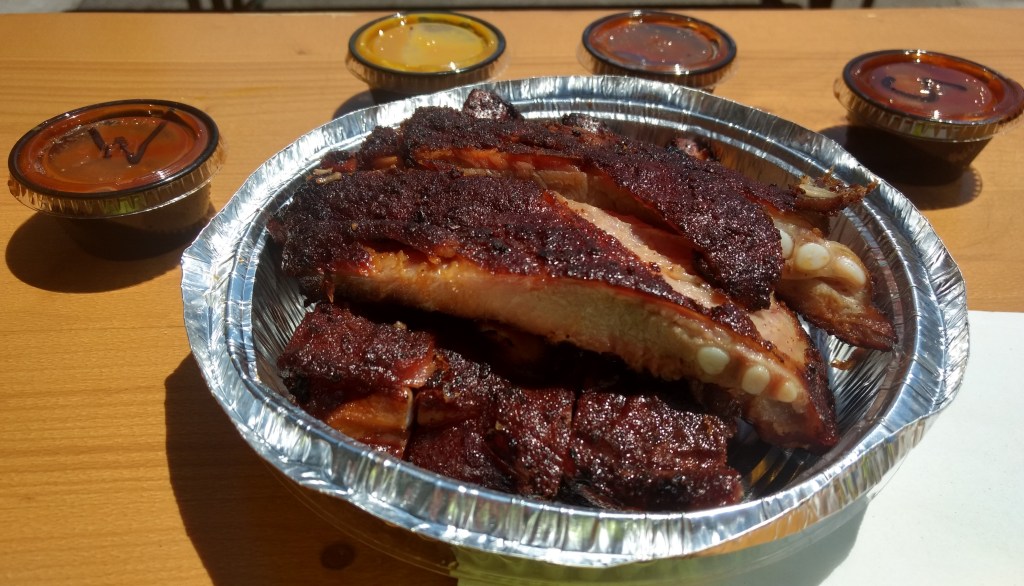
Instead, the best I could do today, stuck in California when I was supposed to be at home in Milwaukee for this event, was to bike to the nearest bbq joint for some symbolic swine, meditate on what I was missing, then bike home to refresh myself with a can of Quarantine Beer shipped to me by the co-founder of The ’82 Project, and make a donation equal to my two tickets for admission to the event that SHOULD have been.


























 inkflowcommunications.com